
Best games with military tactical coop usually share one thing: they reward communication, timing, and disciplined play, not just fast reflexes. If you keep bouncing off “tactical” co-op because public matchmaking turns into a sprint-and-die mess, this guide is for that exact frustration.
Military-leaning co-op can be incredibly satisfying when the game supports real roles, clear objectives, and consequences for bad positioning. But not every title marketed as “tactical” actually delivers that moment where your squad quietly clears a building and everyone knows their job.
I’ll break down what makes this subgenre work, then give you a practical shortlist, a quick self-check for what you actually enjoy, and setup advice that saves time when you’re trying to get a group rolling.
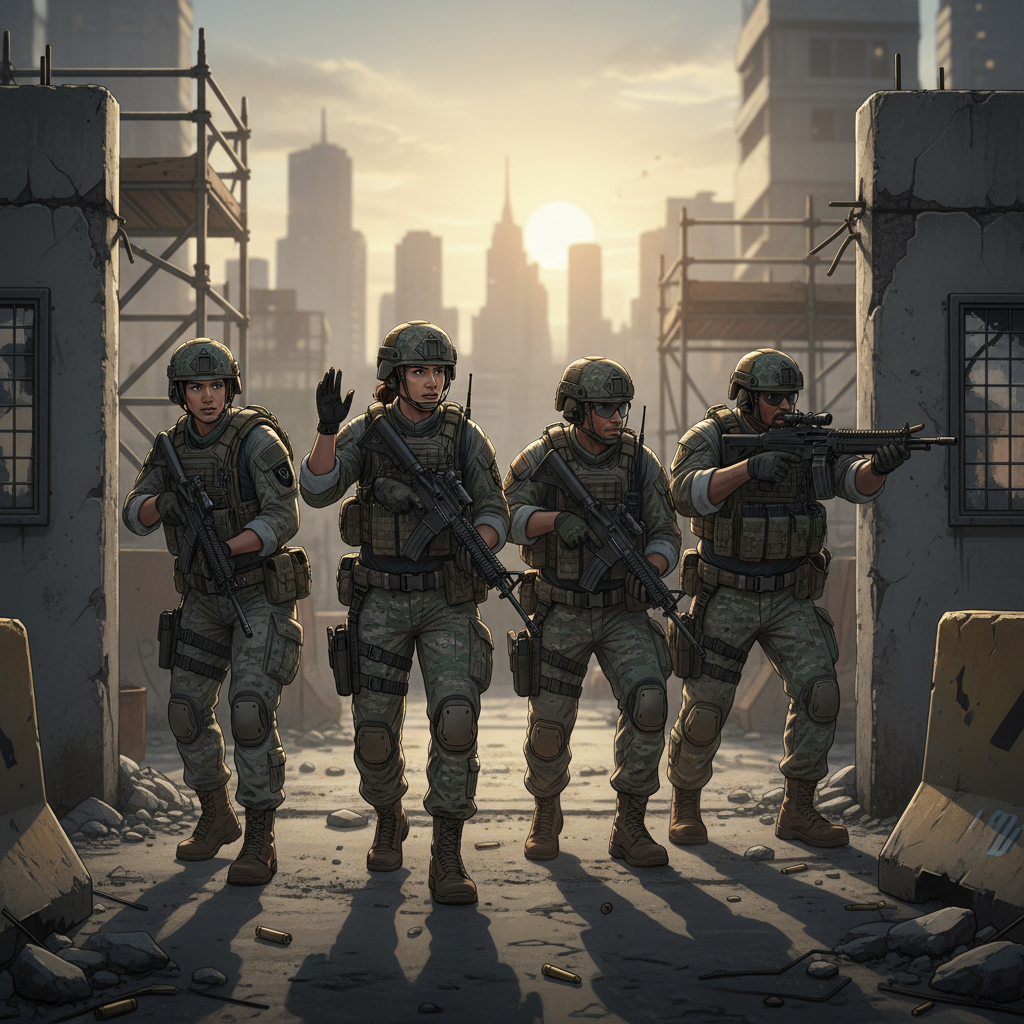
What “military tactical co-op” actually means (and why it often disappoints)
In practice, military tactical co-op sits between arcade shooters and full-on simulators. You’re usually cooperating against AI, tackling missions with rules like limited intel, punishments for sloppy movement, and objectives that demand coordination.
Where people get disappointed is expectation mismatch. Some games have military aesthetics but play like power fantasies. Others are genuinely methodical, but require patience, comms, and a group willing to learn.
- Tactical pacing: clearing rooms, holding angles, staging breaches, managing sightlines.
- Role clarity: medic, breacher, marksman, comms, support, recon.
- Consequences: friendly fire, limited revives, punishing AI, ammo scarcity.
- Information discipline: map knowledge, callouts, and deliberate movement win fights.
According to ESRB, game ratings and content descriptors can help you quickly screen for violence intensity and themes before you buy, especially if you plan to play with a mixed-age group.
Quick fit check: is tactical co-op the kind you want?
Before you chase the best games with military tactical coop lists, it helps to admit what you really want. A lot of players say “tactical,” but what they mean is “teamwork, but not too slow.” That’s fine, just pick accordingly.
Use this checklist in 60 seconds
- You enjoy planning a route and sticking to it, even if it means fewer gunfights.
- You’re okay failing a mission because the team rushed, then retrying with better discipline.
- You prefer objective play over kill counts.
- You can tolerate slower movement and “hold for a sec” moments.
- You want AI enemies that punish exposure, not targets that stand in the open.
If you answered “no” to most of those, you may still want co-op shooters, just not the heavier tactical end. That’s not a skill issue, it’s a taste issue.
A practical shortlist: best tactical military co-op games (by vibe)
Below is a curated mix, because “best” changes depending on whether you want realism, tight missions, or a long-term sandbox. These are commonly discussed picks in the U.S. PC/console scene, but availability, performance, and community health can vary by platform and update cycle.
More grounded, slower, team-procedure focused
- Ready or Not (PC): SWAT-style entries, room clearing, strict rules of engagement. Great if your group likes methodical play and debrief-style learning.
- Arma 3 (PC): a deep military sandbox. It shines with organized groups, mods, and custom ops, but the learning curve is real.
Co-op tactics with smoother onboarding
- Insurgency: Sandstorm (PC/console): co-op modes can feel tactical without going full sim, positioning and comms matter, but it stays approachable.
- Ghost Recon Wildlands (PC/console): open-world squad play with stealth options. It’s not a hardcore sim, but coordination still pays off.
Mission-driven co-op with role pressure
- Tom Clancy’s Rainbow Six: Vegas 2 (older, platform dependent): classic squad commands and corridor tactics, if you can access a stable way to play.
- Ground Branch (PC): customizable loadouts, deliberate pacing, early-access style development cadence, best with friends who like testing builds.
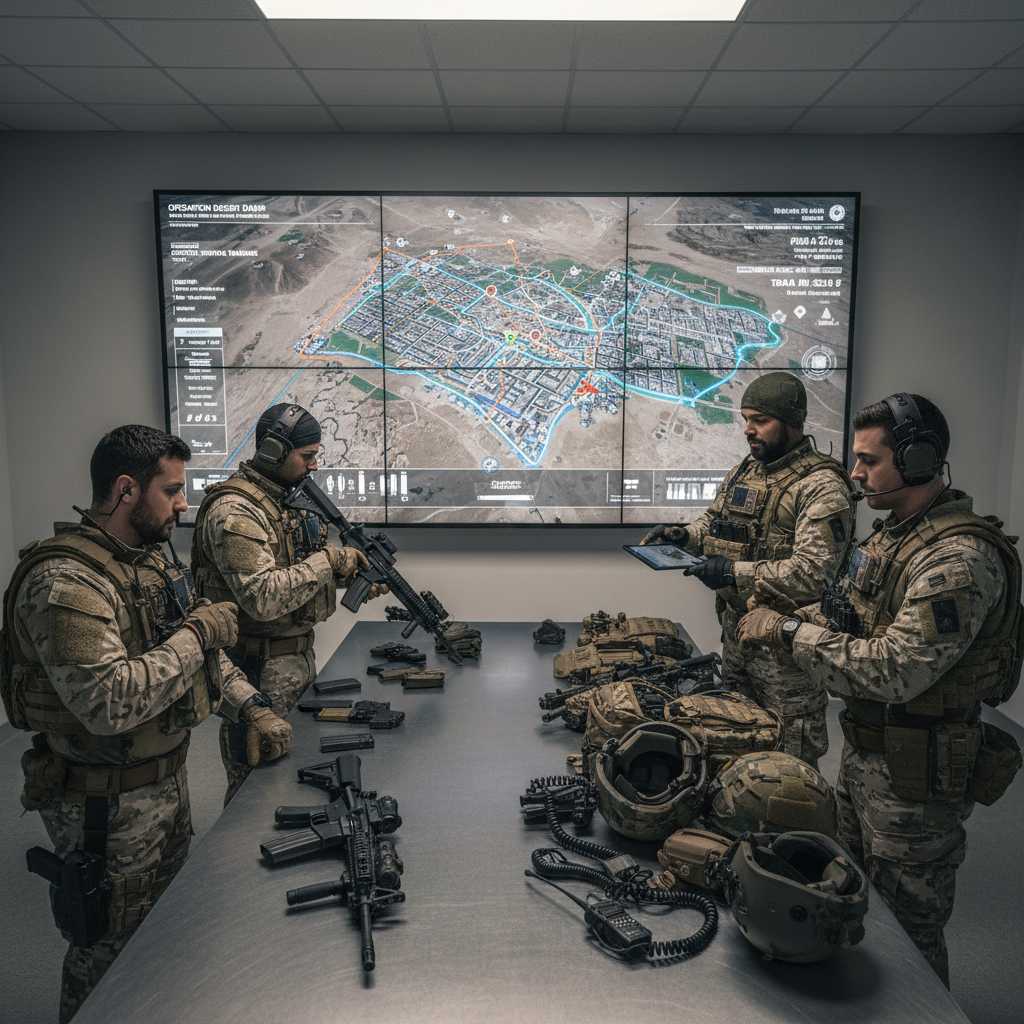
Comparison table: choose by realism, pace, and squad needs
If you’re trying to pick one game for a regular weekly squad, this kind of quick comparison usually prevents buyer’s remorse.
| Game | Best for | Pace | Realism feel | Group size sweet spot |
|---|---|---|---|---|
| Ready or Not | Room clearing, disciplined comms | Slow-medium | High (procedural) | 3–5 |
| Arma 3 | Custom operations, mil-sim sandbox | Variable | Very high (sim-leaning) | 6+ |
| Insurgency: Sandstorm (Co-op) | Gunfights plus teamwork | Medium-fast | Medium-high | 3–8 |
| Ghost Recon Wildlands | Open-world stealth and sync shots | Medium | Medium | 2–4 |
| Ground Branch | Loadout tinkering, small-unit tactics | Slow-medium | High (tactical focus) | 3–6 |
How to get better co-op sessions (even with an average squad)
The difference between “we wiped again” and “that felt clean” often comes down to small habits. Not fancy strategies, just repeatable basics your group can execute when things get noisy.
Key takeaways your team can actually use
- Pick one leader per mission: not a dictator, just one voice for final calls.
- Keep callouts boring: short location + intent, like “top stairs, holding.”
- Use a default formation: two up front, one rear, one utility. Adjust, but start consistent.
- Decide rules for pacing: “no one enters a room alone,” or “stop at every corner.”
If you’re playing titles with friendly fire, consider it a training tool, not a punishment. But also, if your group gets tilted easily, you may want to disable it when the option exists, at least during the learning phase.
Setup and matchmaking tips that prevent the usual pain
Most people don’t quit tactical co-op because the mechanics are too hard, they quit because scheduling and friction kill momentum. A few practical choices help a lot.
- Standardize comms: Discord or in-game, pick one, do a quick mic check, move on.
- Agree on session length: 60–90 minutes tends to work for weeknights, longer sessions invite burnout.
- Lock a simple loadout policy: one breacher tool, one smoke set, one long-range optic, then stop optimizing.
- When using public squads: look for servers with rules and active moderation, chaos is usually a server culture issue.
According to Xbox Support, NAT type and network settings can affect party chat and matchmaking reliability on console. If your group has constant disconnects, checking those basics often beats reinstalling the game.
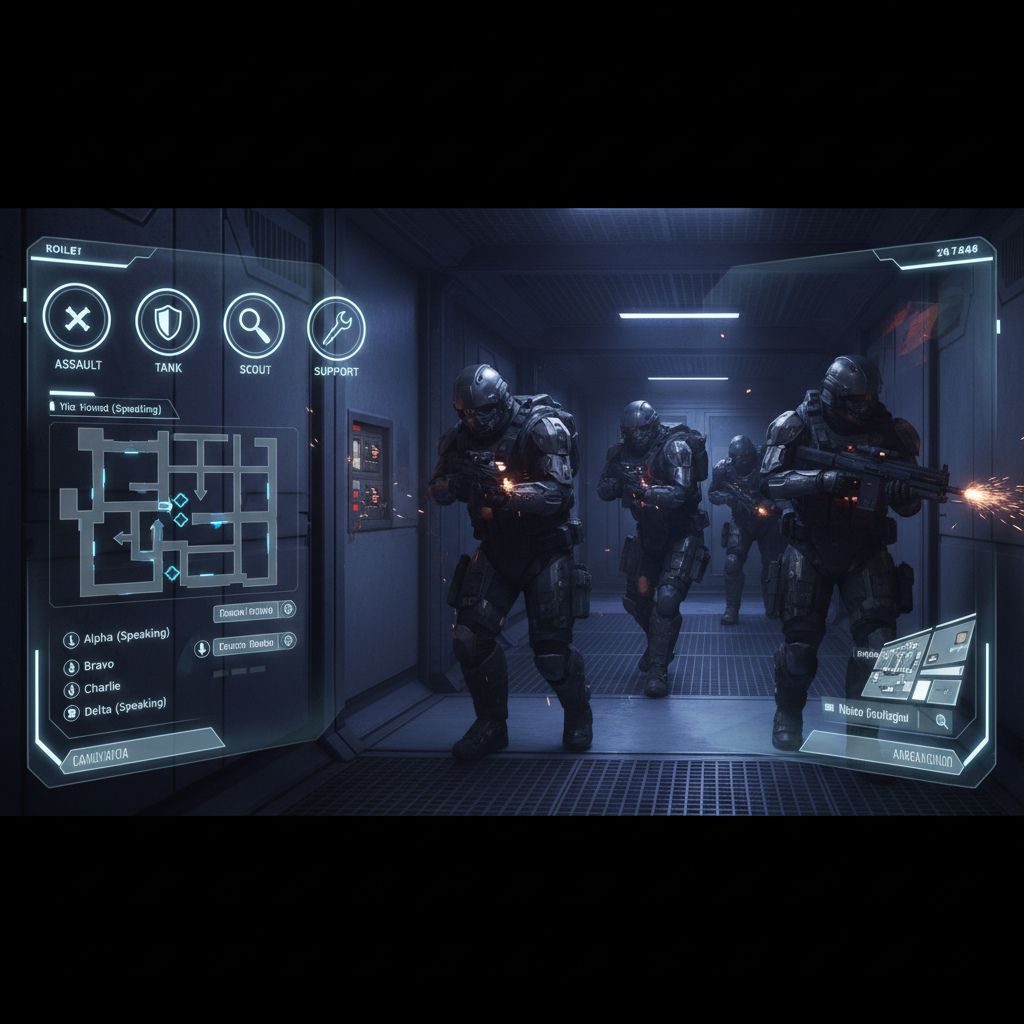
Common mistakes that make “tactical” feel miserable
Some problems are gameplay, but many are expectations and habits. Fix the habit, the same game suddenly feels like one of the best games with military tactical coop you’ve played.
- Over-clearing everything: clearing is good, but if you clear every inch, you burn time and focus. Clear what matters for the objective.
- Everyone brings the same role: four “riflemen” sounds fine, until you need smoke, a breach tool, and sustain.
- “Tactical cosplay” loadouts: heavy gear can slow you down. Pick what supports the mission, not what looks cool.
- Arguing mid-fight: save analysis for debrief, in-contact comms should stay minimal.
When to look for a more organized group (or outside help)
If your squad keeps stalling, it’s sometimes not the game, it’s the lack of shared standards. Many communities run structured co-op nights, and joining one can compress your learning curve.
- You want mil-sim style operations with briefings, roles, and attendance expectations.
- You’re playing a sandbox like Arma and feel lost without mission makers or server admins.
- You care about realism and safety boundaries, for example, avoiding toxic voice comms or extreme roleplay.
Keep it reasonable: if a group demands behavior that makes you uncomfortable, leave. And if you’re a parent setting up games for teens, it can be worth reviewing platform safety tools. According to FTC, understanding privacy and online safety basics helps reduce common risks in online services.
Conclusion: pick for your squad, not for the marketing
The best games with military tactical coop are the ones your group will actually stick with, where the pace matches your patience and the mechanics support teamwork instead of fighting it. If you want tight, structured clears, start with a mission-focused game. If you want long-term operations and don’t mind learning systems, a sandbox can pay off for months.
Two actions that usually work: pick one title and commit to three sessions before judging, then agree on one simple comms and formation standard so every night starts smoothly.
FAQ
What are the best games with military tactical coop for beginners?
If you’re new, look for games that encourage teamwork but don’t require a full simulator mindset. Many groups find co-op modes in more accessible tactical shooters a good bridge before jumping into deeper mil-sim titles.
Are these games fun with just two players?
Some are, especially open-world tactical co-op where you can move quietly and coordinate sync shots. Room-clearing games often feel better with three or four, because roles distribute naturally.
Do I need voice chat for tactical co-op?
Voice helps a lot, but not every group wants constant talk. If your game has strong ping systems, clear objective markers, or simple command wheels, you can still play effectively, just keep expectations realistic.
Which tactical co-op games have the best AI?
“Best AI” depends on what you value: aggressive flanks, believable reactions, or strict punishment for poor positioning. Reviews and recent patch notes matter here because AI behavior changes over time.
Is Arma too hard if I only play a few hours a week?
It can be, unless you join a group that onboards new players and provides ready-to-run missions. If your time is limited, a more mission-driven game may give you better sessions per hour.
How do we stop public matchmaking from turning into chaos?
Try servers with clear rules and moderation, and set one or two team standards before you queue, like “move in pairs” and “call contacts, don’t chase.” If it still feels random, private lobbies with even one extra friend change the vibe fast.
What should we do if the game feels “too slow”?
Speed usually comes from confidence, not rushing. Lower the difficulty, shorten missions, and practice a simple breach-and-clear routine; once you stop wiping, the pace naturally picks up.
If you want a smoother way to choose (and actually get playing)
If you’re trying to pick a game for a regular friend group and you’d rather not waste a weekend downloading three titles that don’t fit, it helps to narrow by squad size, preferred pace, and whether you want sandbox ops or mission checklists, then buy around that, not around hype.