
Best vr survival games 2026 is a tricky search because “survival” in VR can mean very different things: slow, tactical scavenging, wave-based base defense, story-driven crafting, or pure panic in the dark. If you buy based on hype alone, you usually end up with motion sickness, shallow crafting loops, or a game your friends won’t stick with.
This guide narrows the field the way a real buyer would, what holds up after the first two nights, what plays well on common U.S. setups, and what you should check before spending money. I’ll also flag comfort and safety notes where they matter, because VR survival sessions can run long, and fatigue makes mistakes more likely.
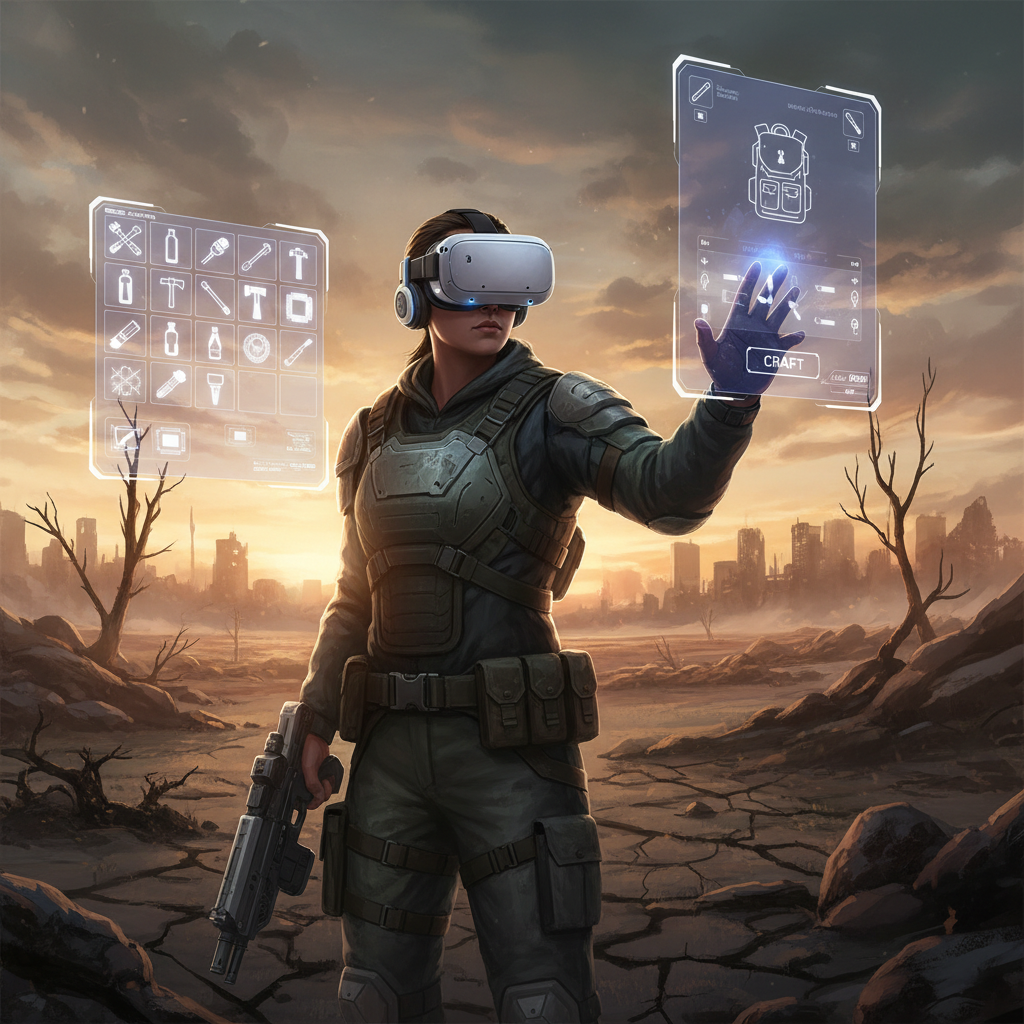
One more thing before the list: “best” depends on your tolerance for friction. Some players want a chill crafting sandbox, others want punishing permadeath. Keep that in mind as you read, I’ll show you how to self-sort quickly.
What “Survival” in VR Really Breaks Down To
Most VR survival games fall into a few patterns, and knowing the pattern saves you from buying the wrong vibe.
- Craft-and-sustain: gather, craft, manage hunger/energy, build shelter, usually slower pace.
- Extraction survival: go out, loot, return to safety, upgrade between runs, higher tension but less grinding.
- Horror-leaning survival: limited resources, low visibility, enemies punish mistakes, strong atmosphere.
- Co-op base defense: teamwork, roles, building plus combat, fun if your group is consistent.
Comfort matters more here than in many genres. Artificial locomotion, turning style, and how often you crouch or reach low can make a “great” game feel unplayable on your body. According to the American Academy of Ophthalmology, people can experience eye strain and discomfort from digital displays, and VR can amplify that for some users, so short sessions and breaks tend to be a smart default.
Quick Comparison Table (Pick Your Lane)
This table isn’t a ranking of “quality,” it’s a buyer shortcut. Use it to pick 2–3 candidates, then read the details and your own checklist.
Legend: Comfort = how forgiving the default movement tends to be for average players, Complexity = how many systems you juggle, Solo/Co-op = how well it holds up alone.
| Type | Best for | Comfort | Complexity | Solo/Co-op |
|---|---|---|---|---|
| Craft-and-sustain | Building, progression, calm tension | Medium | High | Strong solo, optional co-op |
| Extraction survival | Short runs, high stakes, less grind | Medium-High | Medium | Great solo, good co-op |
| Horror survival | Atmosphere, fear, limited resources | Low-Medium | Medium | Mostly solo |
| Co-op base defense | Friend groups, roles, chaotic fights | Medium | Medium-High | Best in co-op |
Best VR Survival Games 2026: A Curated Shortlist (By Scenario)
Rather than pretend there’s one universal #1, here are the picks that usually satisfy real search intent behind best vr survival games 2026: “I want a survival loop that stays fun after the novelty.”
If you want the most authentic physics survival feel
- Into the Radius (PC VR): tense scavenging, weighty inventory, atmospheric danger. Great if you like planning, not just shooting.
- The Walking Dead: Saints & Sinners (PC VR/PS VR2/Quest via versions): hands-on crafting and melee, strong resource pressure, very readable “risk vs reward.”
If you want co-op survival that doesn’t rely on jump scares
- Green Hell VR (PC VR/PS VR2/Quest version): classic jungle survival loop, crafting plus health management, can be satisfying with a consistent partner.
- After the Fall (PC VR/PS VR2/Quest): more action-forward, but the “keep moving, manage resources, upgrade” loop scratches a survival itch for co-op groups.
If you want a base-building sandbox vibe
- No Man’s Sky VR (PC VR/PS VR2): exploration, hazards, crafting, base building, less punishing than hardcore survival titles.
- The Forest / Sons of the Forest (PC VR via VR support/mod ecosystems): for players comfortable tweaking settings and dealing with rough edges, the survival loop can be excellent, but it’s not always plug-and-play.

Reality check: availability and “best experience” can change with patches, platform versions, and comfort options. Before you buy, verify the current store page notes for your headset, especially for crossplay and locomotion settings.
Self-Check: Which Survival VR Game Fits You in 2 Minutes?
If you skip this part, you might still land a good game, but it’s more luck than skill. Answer quickly, no overthinking.
- I get motion sick easily → prioritize teleport or strong comfort modes, avoid fast strafe-heavy combat until you adapt.
- I only play in 30–45 minute blocks → extraction survival or mission-based co-op usually fits better than long crafting marathons.
- I hate inventory micromanagement → choose action-forward “survival-lite,” skip ultra-realistic backpack sims.
- I play with friends → confirm co-op campaign depth, not just co-op “runs,” and check if progress saves properly for all players.
- I want fear → choose horror survival, but be honest about stress and comfort, it’s intense in a headset.
- I want building → look for snap-building, blueprint systems, and reasonable material grind.
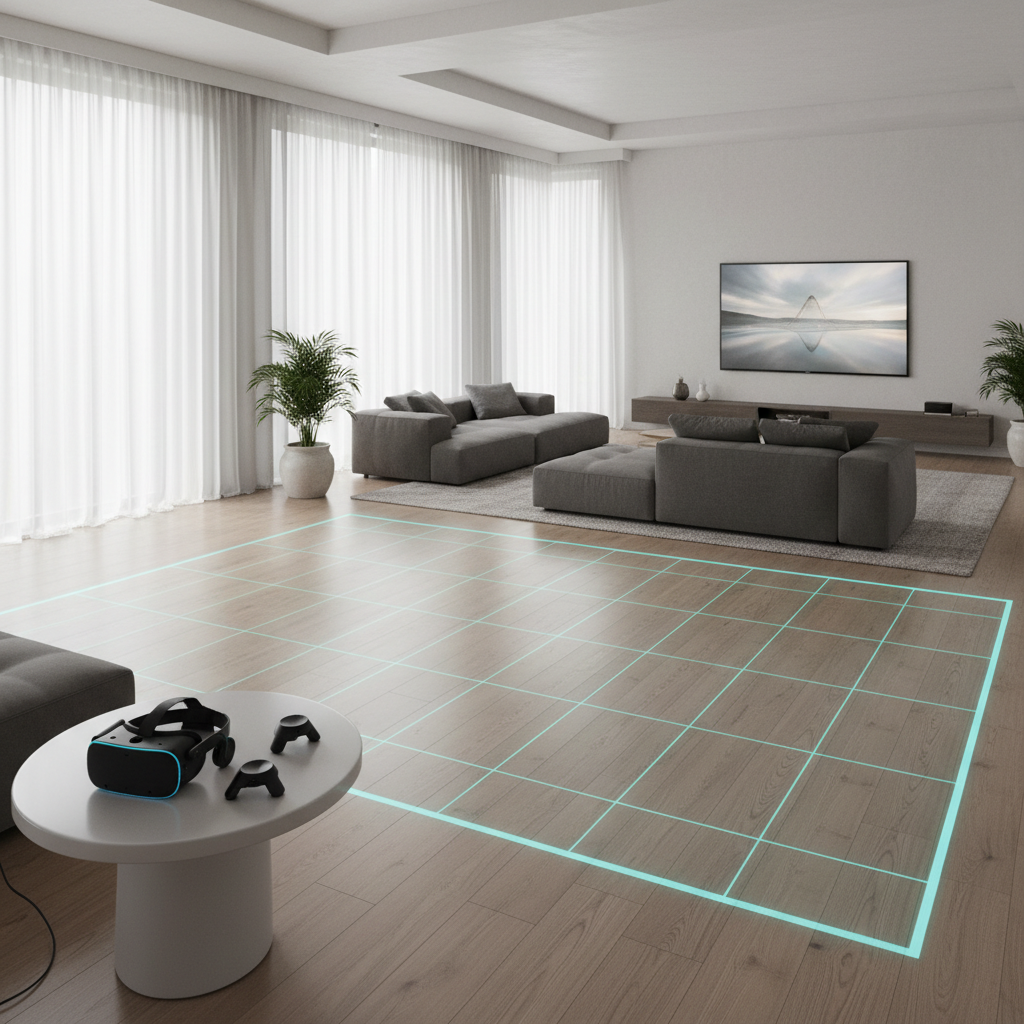
According to Meta safety guidance for VR, maintaining a clear play area and using boundary systems can reduce the chance of collisions. For survival games with lots of reaching and turning, that advice is practical, not optional.
How to Choose: The 6 Buying Factors People Regret Ignoring
These are the filters that tend to separate “I’m hooked” from “refund.”
- Locomotion options: smooth vs teleport, snap vs smooth turn, vignetting, sprint toggles.
- Readability: small text and tiny icons become tiring in VR, especially for long crafting sessions.
- Depth of the loop: does crafting unlock meaningful upgrades, or is it busywork?
- Enemy AI and sound: in VR, audio positioning can carry the tension, weak audio design makes survival feel flat.
- Save system: checkpoint frequency matters, survival games can punish real-life interruptions.
- Platform parity: the Quest version of a title may differ from PC VR or PS VR2 in visuals, systems, or map size.
Practical Setup Tips: Make Survival VR Feel Better Fast
You don’t need a “pro” setup, but a few tweaks can change everything, especially for longer nights.
Comfort and motion
- Start with snap turning and a modest movement speed, then loosen settings over time.
- Keep sessions short early on, if you feel nausea building, stop. Pushing through often makes it worse.
- If your game allows it, enable a vignette during sprinting and sharp turns.
Play space and safety
- Clear the “reach zone,” survival games love making you grab items low and behind you.
- Use wrist straps on controllers, fatigue plus panic moments can cause accidental throws.
- If you feel neck, shoulder, or wrist pain, adjust height settings and interaction sensitivity, and consider consulting a healthcare professional if pain persists.
Performance and clarity
- Favor stable frame rate over ultra settings, survival tension feels worse when the world stutters.
- Increase text size where possible, or move UI closer if the game supports it.
- On PC VR, confirm your runtime settings and reprojection options before blaming the game.
Key Takeaways (So You Can Decide Today)
- Pick your survival style first: craft-and-sustain, extraction, horror, or co-op defense.
- Comfort options matter as much as content, especially if you’re new to VR or sensitive to motion.
- Into the Radius and Saints & Sinners often satisfy players who want tactile realism and real tension.
- Green Hell VR and After the Fall can work well when your group actually shows up consistently.
- Before buying, confirm platform version details, co-op progression, and locomotion settings.
Conclusion: A Good “Best Of” List Is Really a Matchmaking Tool
When people search best vr survival games 2026, they usually want one clear answer, but the smarter move is picking a game that matches your tolerance for friction, your comfort needs, and how you actually play week to week. If you choose by scenario and verify platform details, your odds of landing a keeper go up fast.
Action to take now: shortlist two titles from the curated section, then check three things on the store page, locomotion options, co-op notes, and whether the version matches your headset. That’s the difference between a weekend obsession and a quick uninstall.