
best vr magic games 2026 is really about one thing, finding spellcasting that feels good in your hands, not just “wave your arms and watch sparks.” If you tried a few wizard games and bounced off, you’re not alone, a lot of VR magic still leans on gimmicks or clunky gesture recognition.
This guide narrows the field with practical picks, what each game nails, and what to watch out for on comfort, tracking, and motion sickness. I’m also including a quick comparison table so you can decide fast, then a short setup checklist so the game feels better on day one.
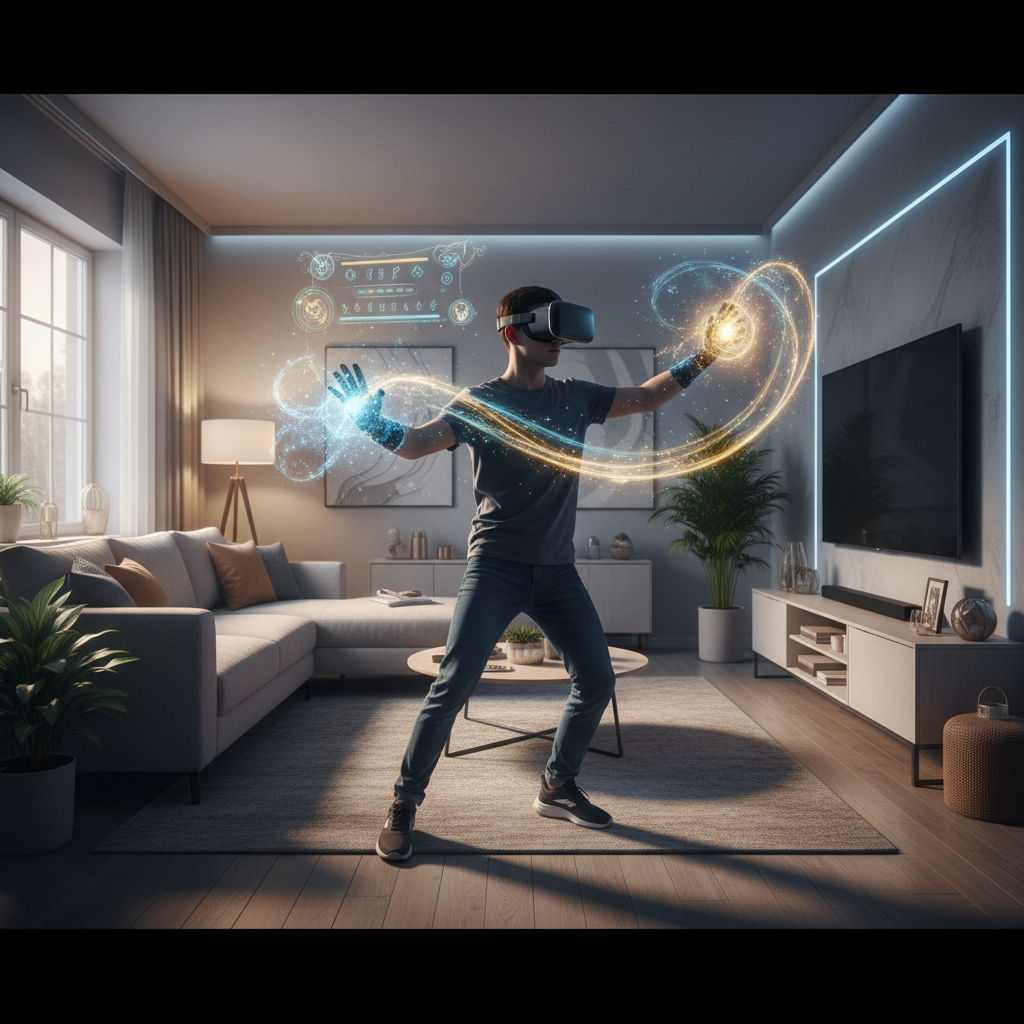
One note before we jump in, “best” depends on your platform and your stomach. If smooth locomotion makes you queasy, the best spell system in the world won’t matter until you tweak comfort settings.
What makes a VR magic game worth your time in 2026
When magic feels great in VR, it usually comes down to three things, input clarity, feedback, and pacing. The best titles communicate what the game thinks you did, then reward it with clean effects and useful results.
- Readable casting: gestures or hand poses that register consistently, plus clear visual or audio confirmation.
- Physical-to-digital feedback: haptics, recoil, hand VFX, or rune UI that “locks in” a cast.
- Combat that respects VR: enemy spacing, telegraphs, and a pace that doesn’t punish real-world fatigue.
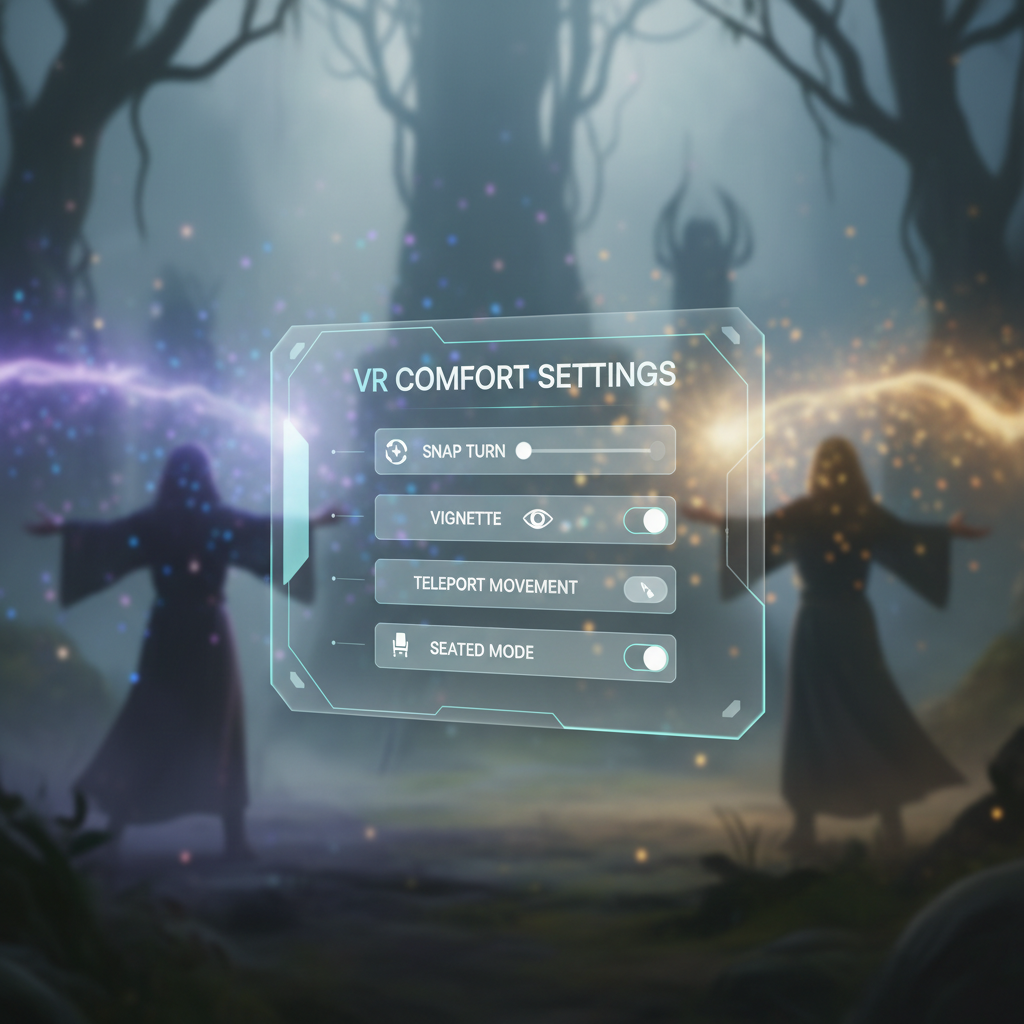
- Comfort controls: snap turning, vignettes, teleport options, seated mode.
According to Meta (Quest) comfort guidance, comfort features like teleport movement and vignetting can reduce discomfort for many players, it’s worth prioritizing games that take these options seriously.
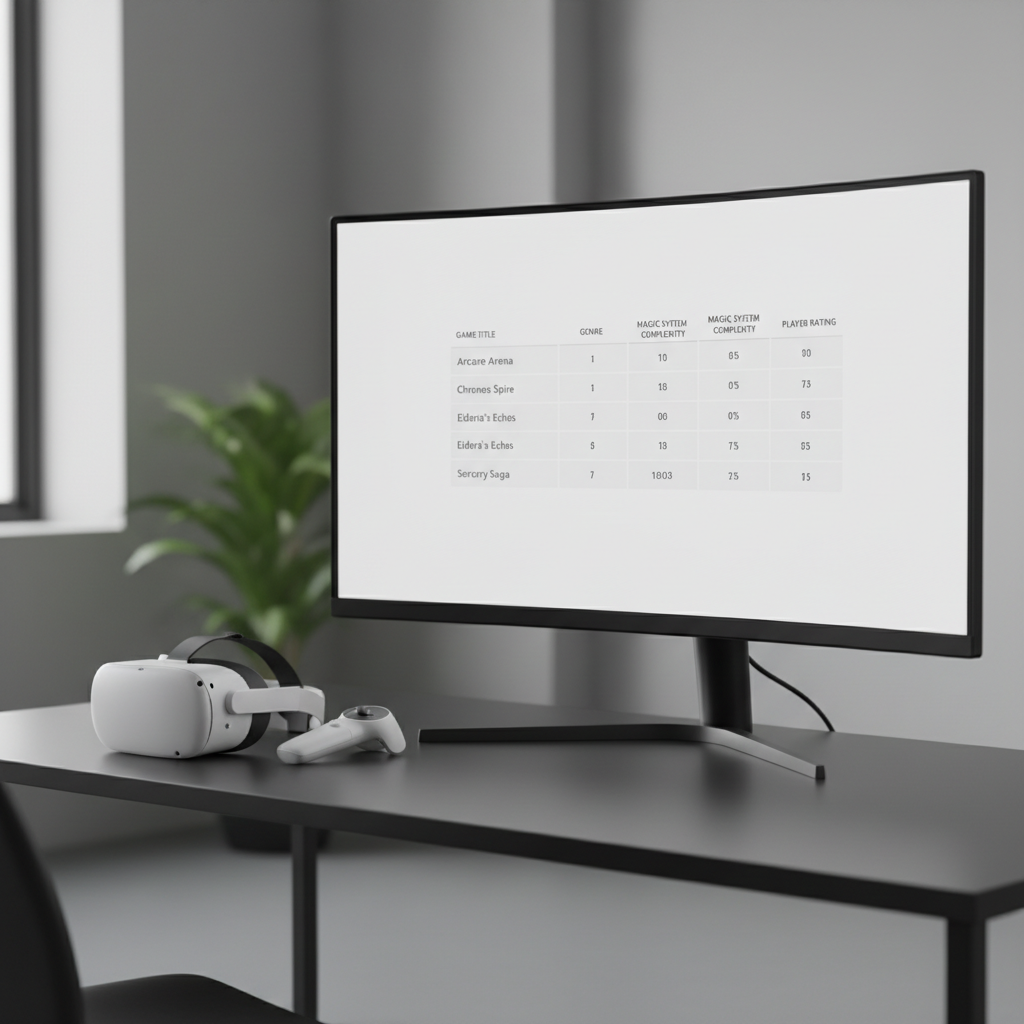
Best VR magic games 2026: quick comparison table
If you want a fast shortlist, start here. Availability and support can change by platform and region, so treat this as a starting point and double-check your store page.
| Game | Best for | Casting style | Comfort notes |
|---|---|---|---|
| The Wizards: Dark Times | Story-driven fantasy spellcraft | Gestures + elemental spells | Good comfort options, still active movement |
| Waltz of the Wizard | Hands-first wizard sandbox | Hands, objects, experimentation | Often comfortable, depends on mode/scene |
| Blade & Sorcery | Physics combat + magic combo play | Spell in one hand, weapon in the other | Can be intense, tune locomotion |
| Until You Fall | Arcadey melee with “power” feel | Rune-like upgrades, impact-driven | Usually manageable, lots of comfort toggles |
| I Expect You To Die (series) | Seated puzzles with gadget “magic” | Telekinesis-style interaction | Great for VR comfort beginners |
Top picks and why they stand out
This is the “editor’s judgment” part. These picks cover different tastes, some people want immersive wizard roleplay, others want systems they can master like a sport.
The Wizards: Dark Times (and similar narrative spell adventures)
If you want to feel like you’re in a fantasy campaign, this style is hard to beat. Spells tend to be distinct and readable, fire feels different from lightning, which sounds obvious but isn’t always true in VR.
- Why it works: gestures map to understandable elements, fights often give you room to cast.
- Potential downside: gesture fatigue, long sessions can make your shoulders complain.
Waltz of the Wizard
For a lot of players, this is the closest VR gets to “hands are the UI.” It’s not only about combat, it’s about poking, mixing, experimenting, and enjoying tactile interactions that flat games can’t do.
- Why it works: playful discovery loop, great hand presence, memorable interactions.
- Potential downside: if you want deep progression or constant combat, it may feel light.
Blade & Sorcery
This is still a staple when you want physicality, weight, and “make your own style.” Magic here shines when you treat it as a toolkit, not just a gun replacement.
- Why it works: physics sandbox, strong mod culture in many setups, endless experimentation.
- Potential downside: comfort can be tricky, especially with smooth movement and spinning fights.
Until You Fall (power fantasy with structure)
Not a pure wizard sim, but it scratches the same itch, build synergy, learn patterns, feel yourself improve. If you like roguelite loops and clear skill growth, this often hits.
- Why it works: readable combat rules, satisfying hits, progression that encourages “one more run.”
- Potential downside: if you only want spells and no blades, look elsewhere.
I Expect You To Die (series)
This is “magic” in the sense that telekinesis-style interaction makes you feel clever. It’s also one of the easiest series to recommend if you’re sensitive to motion sickness and want something polished.
- Why it works: seated by design, strong pacing, interaction feels natural.
- Potential downside: not a spell-slinging combat game.
Quick self-check: which type of magic VR player are you?
Before you buy, figure out what you’re actually chasing. Most regret purchases come from genre mismatch, not “bad game.”
- I want to roleplay a wizard → narrative spell games like The Wizards: Dark Times.
- I want to tinker and feel hand presence → sandbox interaction like Waltz of the Wizard.
- I want physics chaos and freedom → Blade & Sorcery.
- I want tight runs and skill mastery → Until You Fall.
- I get motion sick easily → seated puzzles like I Expect You To Die, or teleport-heavy settings in other titles.
If you’re shopping specifically for best vr magic games 2026 on Quest, pay extra attention to room-scale needs and whether the game expects you to turn constantly. Small spaces make certain combat-heavy titles feel worse than they are.
Setup tips that make spellcasting feel better fast
A lot of “this game’s tracking is bad” complaints are really setup problems. These are boring fixes, but they work surprisingly often.
- Lighting: avoid very dark rooms and avoid direct sunlight, both can mess with tracking on some headsets.
- Guardian/play space: give yourself more space than you think you need, spell games invite wide swings.
- Controller fit: tighten straps or use knuckle-style grips so you can relax your hands.
- Comfort settings: start with snap turn and moderate vignette, then reduce assists after your brain adapts.
- Height calibration: redo it, especially if spells originate from “chest height” or hip holsters.
Motion sickness varies a lot by person. If you feel nausea, headaches, or eye strain, it’s usually smart to stop and take a break, and if symptoms persist, consider talking with a medical professional.
Common mistakes when picking VR wizard games
- Assuming “more gestures” means better magic: too many complex casts can become inconsistent under pressure.
- Ignoring comfort labels: if you’re new to VR, pick comfortable titles first, you can always ramp up later.
- Buying for graphics alone: spell feel is mostly feedback, timing, and interaction, not particle count.
- Skipping accessibility options: seated mode, dominant hand options, and remaps matter in long sessions.
Another quiet issue, multiplayer clips can mislead you. A game that looks amazing in a highlight reel may feel chaotic when you’re the one physically turning and managing space.
When to consider more help (or a different kind of game)
If you’ve tried multiple titles from the best vr magic games 2026 lists and nothing clicks, it may not be you, it may be your constraints. Small rooms, older controllers, or sensitivity to motion can narrow what feels “good.”
- If you get frequent discomfort even on comfort settings, consider sticking to seated or teleport-first games and ask a clinician if you have concerns.
- If tracking feels inconsistent across many games, check headset fit, lighting, controller batteries, and firmware updates, then contact the headset maker’s support.
- If you want deeper spell systems than current VR offers, hybrid options like flat-to-VR crossplay titles or modded sandboxes may scratch the itch.
Key takeaways and what to play next
The best picks aren’t all the same kind of wizard fantasy, and that’s the point. If you want narrative spellcasting, start with The Wizards: Dark Times. If you want hands-first wonder, Waltz of the Wizard stays a safe bet. If you want a physics playground, Blade & Sorcery still carries the torch, while Until You Fall gives you structured, repeatable mastery.
Your next move, pick one game that matches your comfort level, then spend ten minutes dialing in settings before judging it. That tiny setup step is often what turns “meh” into “okay, one more run.”