
Open world survival games with base building live and die by one thing: whether the hours you spend gathering, crafting, and defending actually feel worth it. If you’ve bounced off a few because the grind got old, the UI fought you, or your base kept getting wiped, you’re not alone.
What makes this niche tricky is that two games can look similar on Steam or console trailers, yet play completely differently once you hit day three. Some are cozy builders with light survival pressure, others are PvP sandboxes where your base is basically a target.
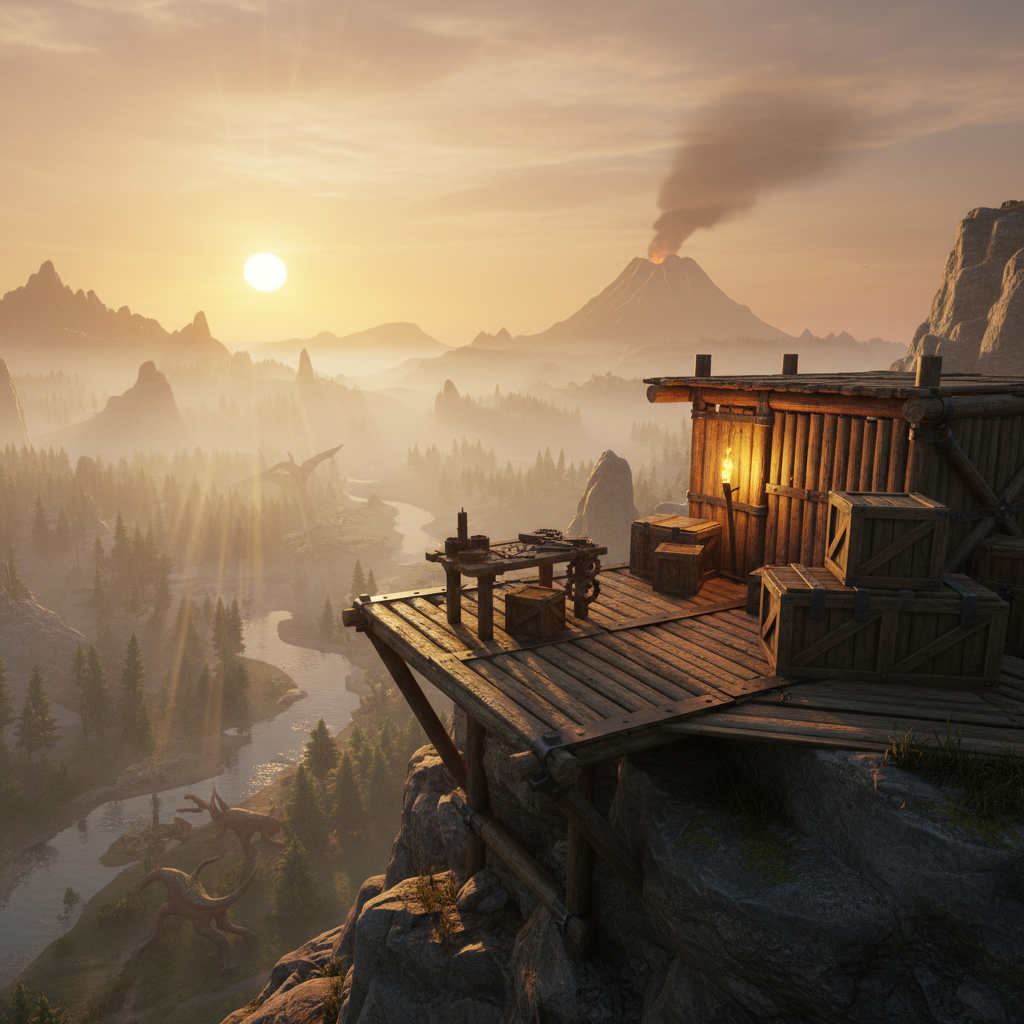
This guide focuses on practical choosing: what “base building” really means in different titles, what features matter most, and how to avoid the early decisions that make survival games feel punishing instead of satisfying. You’ll also get a comparison table and a quick self-check so you can pick a game that matches your time, patience, and playstyle.
What “base building” actually means in survival sandboxes
In open world survival games with base building, “build a base” can mean anything from dropping a few walls for storage to engineering a powered fortress with automation. Before you buy, it helps to know which flavor you’re signing up for.
- Freeform building: You place pieces almost anywhere, focus on creativity and layout freedom. Great for builders, sometimes weaker on combat balance.
- Blueprint building: You unlock preset structures or upgrade tiers, which feels cleaner and more guided, but less expressive.
- Progression-gated building: You can build early, but meaningful defenses or comfort upgrades come later through tech trees, bosses, or rare materials.
- Persistent vs. wipe-based worlds: Some servers wipe (common in competitive multiplayer), while single-player or co-op worlds usually persist.
One more distinction people miss: “base building” vs. “base management.” Management-heavy games ask you to handle power, NPC needs, or logistics. If you only want shelter and storage, management can feel like busywork.
Quick comparison table: popular options and who they fit
Below is a practical snapshot. These are examples most players run into when searching this genre, but availability and performance can vary by platform, patch cycle, and server quality.
| Game | Best for | Building depth | Survival pressure | Typical frustration point |
|---|---|---|---|---|
| Valheim | Co-op progression + cozy builds | Medium-High | Medium | Resource hauling, biome jumps |
| Rust | High-stakes PvP and raiding | High | High | Offline raids, wipes |
| ARK: Survival Evolved | Taming, tribes, long-term worlds | High | Medium-High | Grind, performance, settings |
| The Forest / Sons of the Forest | Horror survival with strong atmosphere | Medium | High | Night pressure, enemy attacks |
| 7 Days to Die | Base defense “horde night” planning | High | High | Difficulty spikes, jank |
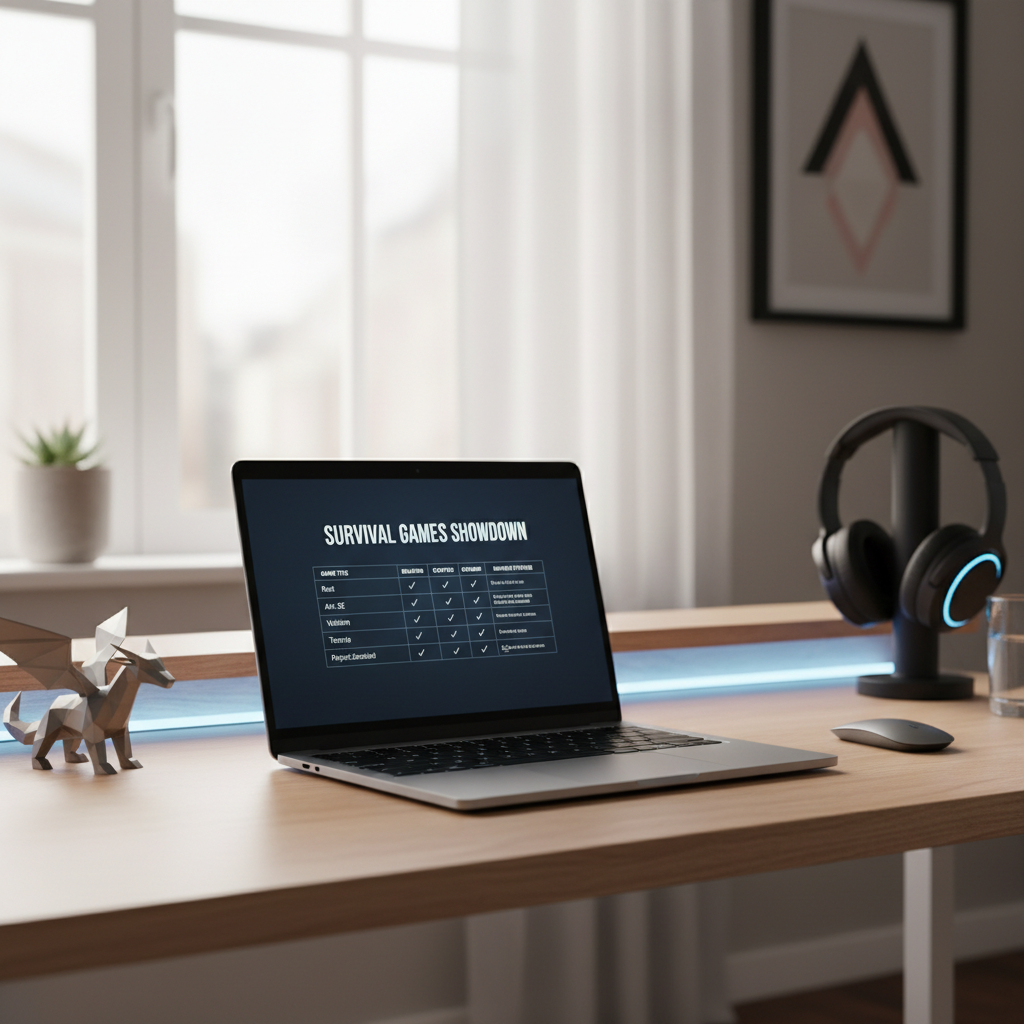
If you’re deciding between two titles, don’t over-weight “how pretty the base pieces look.” The real quality-of-life is usually inventory flow, building snap behavior, and whether the game gives you clear reasons to improve your base beyond “because you can.”
Why these games feel addictive (and why they sometimes feel exhausting)
Most people love this genre for the loop: explore, get stronger, return home, improve the base, repeat. When it works, it’s relaxing and motivating at the same time. When it doesn’t, it turns into chores.
- Meaningful shelter: Your base changes what you can do, not just where you store stuff. Comfort buffs, crafting stations, farming, or safe sleep matter.
- Visible progress: Better tools shorten gathering time, smarter layouts reduce backtracking, defenses buy you breathing room.
- Risk that feels fair: Death or raids sting, but you understand why it happened and how to prevent it next time.
Exhaustion usually comes from three places: travel time that’s mostly empty, inventory friction, and punishment systems that don’t respect limited play sessions. This is why two players can describe the same game as “chill” and “brutal,” depending on server rules and how they build.
Self-check: pick the right sub-genre before you pick a game
If you want open world survival games with base building that actually stick, match the game to your reality: time, patience for risk, and whether you play solo.
A quick judgment checklist
- I have 30–60 minutes per session: favor co-op PvE or solo-friendly worlds, low wipe risk, generous save systems.
- I enjoy rebuilding after loss: PvP raiding games can be thrilling rather than demoralizing.
- I mostly play solo: look for strong AI threats, clear progression, and base defenses that don’t require 10 friends online.
- I want creativity first: prioritize building systems, snap options, structural integrity tools, decoration variety.
- I want tension: pick games with scheduled attacks, roaming threats, or harsher survival meters.
Be honest about one thing: do you want planning or improvisation? Planning-heavy games reward spreadsheets and layouts. Improvisation-heavy games reward quick pivots when the world punches back.
Practical base-building approach that works in most games
This is the part many guides overcomplicate. A good base in this genre is usually less about “bigger” and more about “less annoying.”
Phase 1: The first shelter (make it boring on purpose)
- Build close to early resources and a safe travel route, not in the prettiest spot.
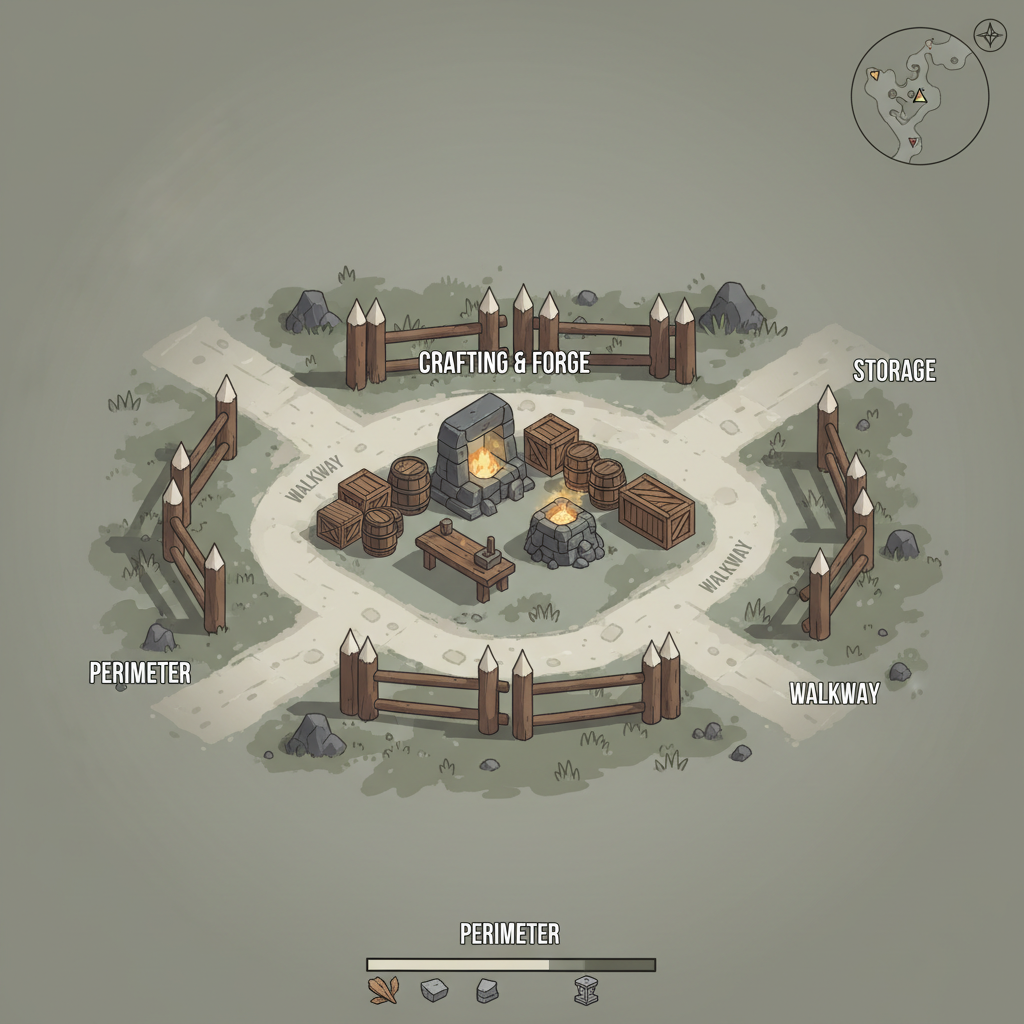
- Prioritize bed/spawn, storage, and the first crafting stations.
- Keep the footprint small so upgrades don’t become demolition projects.
Phase 2: The working base (optimize your daily loop)
- Put storage next to the station that uses it, reduce “run across the base” moments.
- Add lighting, routes, and labels if the game supports it, friction kills motivation.
- If attacks exist, build defenses that let you fight on your terms: funnels, chokepoints, elevated angles.
Phase 3: The long-term base (commit only when the map makes sense)
- Move when you understand biome progression, trader hubs, fast travel, or key boss routes.
- Invest in power, farming, automation, or NPC systems after your core loop feels stable.
- In multiplayer, assume your base becomes content for other players unless the server rules prevent it.
According to Entertainment Software Association (ESA)... well, not on base layout specifically. But they consistently highlight how varied player motivations can be across gaming. That’s the point here: a “good base” is the one that matches your goal, not a universal blueprint.
Common mistakes that make survival base building feel bad
These are patterns that come up constantly, especially for players new to open world survival games with base building.
- Building too big too early: you spend time maintaining a project instead of getting tools that speed everything up.
- Picking a “pretty” location with terrible logistics: no nearby materials, long runs, awkward terrain, constant annoyance.
- Ignoring the game’s attack logic: some enemies target doors, some target player position, some target noise or heat.
- Over-hoarding low-tier items: storage sprawl becomes the game, especially without sorting systems.
- Copying meta bases without understanding them: what works on a PvP wipe server might feel pointless in co-op PvE.
If you feel stuck, try this: rebuild smaller, closer to the loop that earns progress. People rarely want to hear that, but it fixes a surprising number of “I’m bored” problems.
When you should adjust settings, use mods, or ask for help
A lot of the frustration in this genre comes from default settings that assume a certain time commitment. Adjusting them is not “cheating” in many communities, it’s just aligning the game with your schedule.
Settings worth tweaking (when available)
- Resource yield / gather rate: helpful if you play short sessions and want more building time.
- Day length / night length: reduces pressure in horror-leaning games.
- Raid windows / offline protection: crucial in multiplayer if you can’t be online daily.
- Enemy frequency: turn down if you want a builder-first experience.
According to Steam (Valve)... mod ecosystems vary by game, and compatibility changes over time, so treat mod lists like living documents. If you do mod, keep it simple: quality-of-life first, content expansion second.
If you’re dealing with harassment, doxxing risk, or extreme toxicity on public servers, step away and use official reporting tools or private servers. That’s less “game advice” and more basic digital safety.
Key takeaways before you hit “Download”
- Decide your risk tolerance: PvP raiding and wipe cycles change everything about base building.
- Pick for your time budget: some games reward long sessions, others respect quick play.
- Build for flow: storage-to-crafting layout matters more than aesthetics early on.
- Use settings intentionally: the best experience is usually the one tuned to your schedule.
Open world survival games with base building can be an amazing long-term hobby game, or a week of frustration, the difference is often choosing the right sub-genre and keeping your first base humble. If you want a simple next step, pick one title that matches your risk tolerance, then commit to a two-session trial: one session for tools and shelter, one session for layout and defense. If it still feels like chores, it’s probably not your flavor, and that’s fine.