
best vr hunting games 2026 is a tricky search because “hunting” in VR can mean totally different things: realistic bow stalking, arcade wave shooting, tracking-heavy survival, or even “hunt” as a social co-op loop.
If you buy the wrong style, you usually notice fast—motion sickness, shallow progression, or controls that feel like work instead of fun. The good news is you can narrow it down in minutes if you know what to look for: locomotion options, weapon handling, AI behavior, and whether the game respects your play space.
This guide focuses on what actually matters for U.S. players shopping in 2026: headset comfort, session length, online population, and how “sim” the gameplay feels. I’ll also call out common purchase traps, plus a short checklist you can use before you hit Buy.
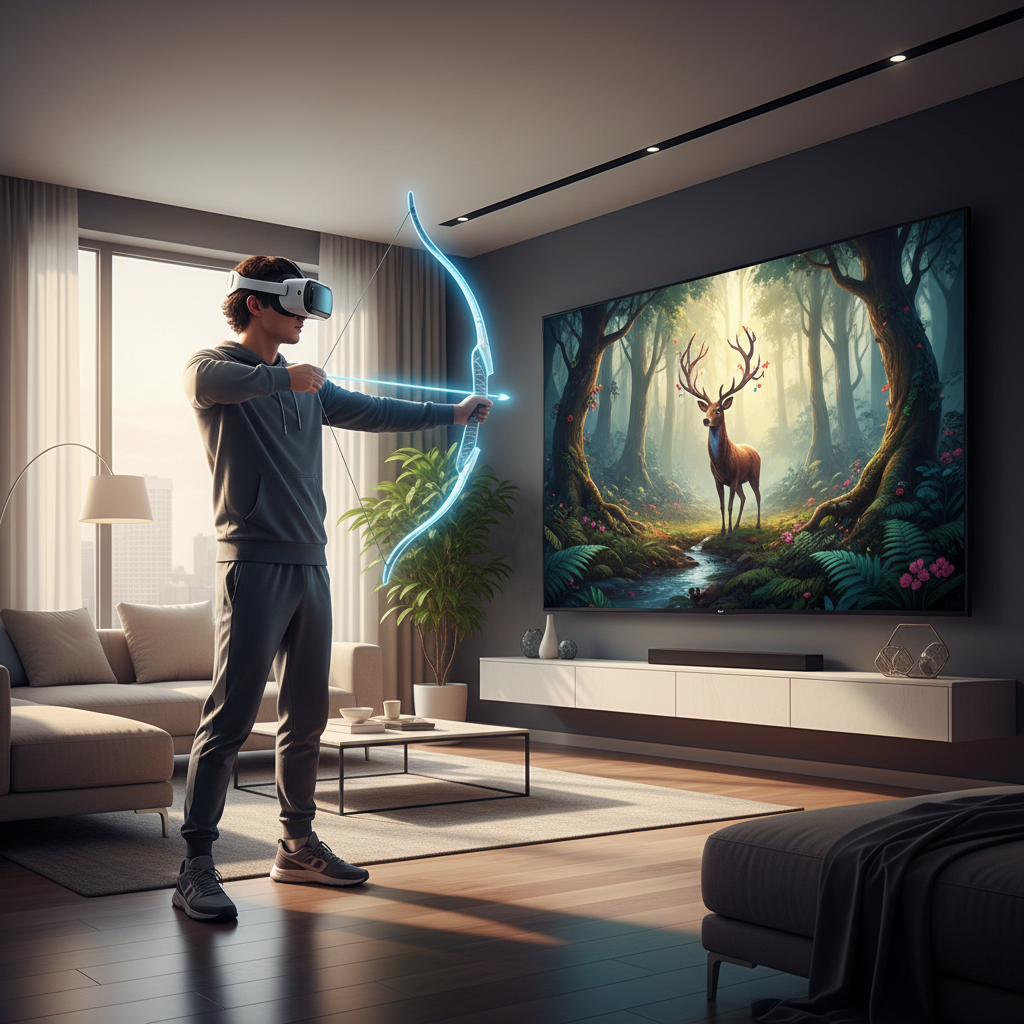
What “Best” Means for VR Hunting in 2026
In 2026, “best” usually comes down to trade-offs. Realism often adds friction, arcade games feel instantly fun but can get repetitive, and co-op hunting lives or dies by matchmaking.
Here are the criteria that tend to separate keepers from refunds:
- Locomotion comfort: teleport, smooth movement, vignette options, seated play support.
- Weapon handling: two-hand tracking, bow draw feel, gunstock calibration, reload logic.
- Animal AI and readability: believable behavior, clear tells, fair detection rules.
- Progression loop: gear upgrades, challenges, tracking, reasons to return after 2–3 sessions.
- Session friendliness: saves, quick hunts, pause support, not punishing if you only have 20 minutes.
- Platform fit: standalone vs PC VR performance, controller mapping quality, active updates.
One more thing: comfort is not “soft.” If you get nausea, you stop playing, and the “best” game becomes irrelevant.
Quick Comparison Table: Top Picks by Play Style
Because store pages rarely tell the whole story, this table focuses on decision-making. Treat it as a shortlist builder, then confirm the current platform availability and comfort options on the store page before buying.
| Pick (type) | Best for | Comfort | What you should know |
|---|---|---|---|
| Realistic bow hunting sim | Slow stalking, shot placement | Medium | Usually demands arm stamina and patience, great payoff when it clicks |
| Arcade “creature hunt” shooter | Instant action, shorter sessions | High | Less realism, more replay, watch for repetitive waves |
| Survival sandbox with hunting | Crafting + tracking + base loop | Low–Medium | Can be intense on motion, but the “life sim” loop is addictive |
| Co-op hunting adventure | Friends, teamwork, voice comms | Medium–High | Great nights with a squad, weaker if population drops |
Key takeaway: the best vr hunting games 2026 list looks different for a Quest-only player than for a PC VR player with room-scale space and a beefy GPU.
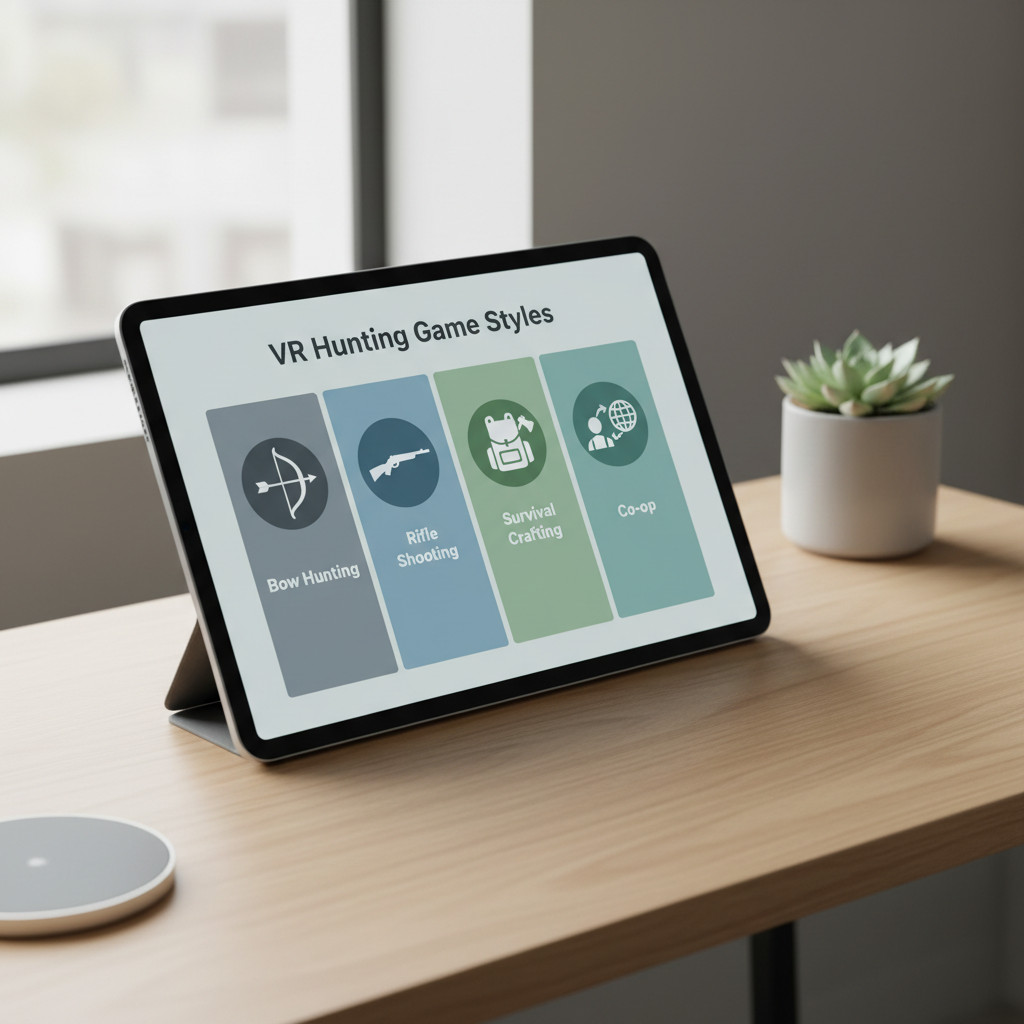
Shortlist: Best VR Hunting Game Styles to Consider
I’m not going to pretend one single title fits everyone. Instead, use these “best-by-style” buckets, then match them to what you actually enjoy.
1) Bow-first hunting sims (tracking skill matters)
If you want the tension of drawing, anchoring, breathing, and committing to a shot, this is your lane. These games reward practice, but they can feel punishing if the tutorial is weak or if your controller tracking struggles in low light.
- Look for: adjustable bow offset, handedness options, clear hit feedback, ethical shot scoring if included.
- Avoid if: you hate slow pacing or you only play seated without room to draw comfortably.
2) Rifle/shotgun “hunt” shooters (more range time, less stalking)
Some VR hunting experiences are basically gun handling and target identification with a hunting theme. Often fun, often less deep, but a good fit if you like quick sessions.
- Look for: good reload ergonomics, optional aim assist, adjustable virtual stock.
- Watch out for: awkward two-hand alignment that fights your natural stance.
3) Survival games where hunting is part of the loop
This is where “hunting” turns into tracking, crafting, cooking, and managing risk. When it’s done well, you stop thinking about hunts as missions and start thinking about them as errands you plan around weather, stamina, and supplies.
- Look for: clear stealth rules, readable animal behavior, fair resource grind.
- Be honest: if you dislike crafting menus, you may bounce off quickly.
4) Co-op hunting adventures (best with friends)
Co-op can be the most memorable version of VR hunting, but it’s also the most fragile. If matchmaking is thin, the game feels empty, even if the mechanics are solid.
- Look for: ping-friendly servers, drop-in sessions, strong voice/party support.
- Plan for: scheduling, because the “magic” usually happens with a consistent group.
How to Tell If a VR Hunting Game Will Feel Good on Your Headset
Store trailers hide comfort issues. Before buying, scan reviews for the same three themes: locomotion, interaction, and clarity. And keep your own tolerance in mind.
According to Meta (in its comfort rating guidance for VR apps), comfort varies widely by locomotion and camera movement, so you should treat comfort options as a must-have rather than a nice-to-have.
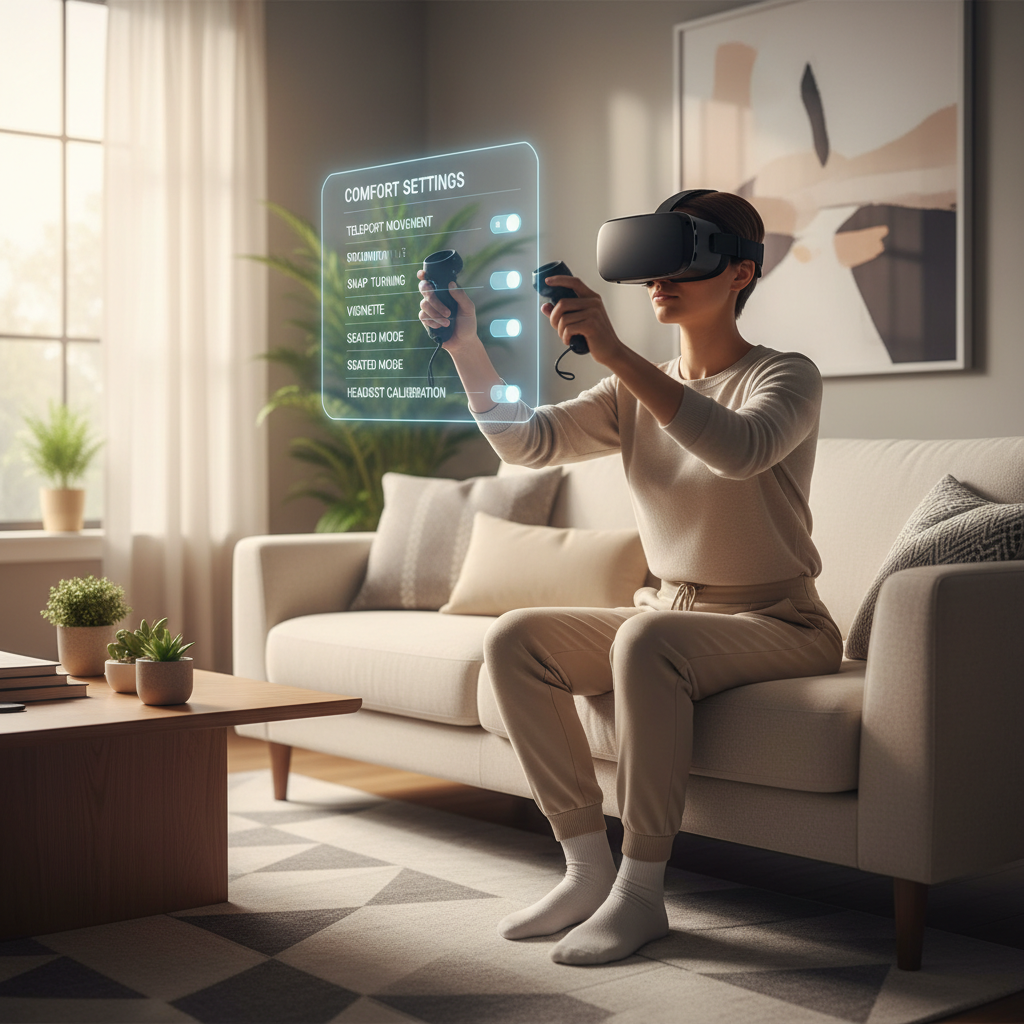
- If you get motion sick easily: prioritize teleport movement, snap turning, and short mission loops.
- If you play seated: check for seated mode and UI placement that doesn’t assume room-scale.
- If you use PC VR: inconsistent frame rate can feel worse than “low graphics.” Stable performance matters.
- If you use Quest/standalone: look for simplified interactions that still feel physical, not menu-heavy.
A practical trick: if a game requires frequent crouching, bending, and rapid turns, it may feel amazing for 15 minutes and miserable for an hour. Plan around your body, not the marketing.
Buying Checklist: 60 Seconds Before You Hit Purchase
If you only do one thing from this article, do this. It prevents most “I wasted $30” outcomes, especially when you’re browsing best vr hunting games 2026 lists late at night.
- Movement: Does it offer teleport AND smooth locomotion, plus snap turning?
- Play mode: Room-scale required, or can you play standing-in-place or seated?
- Weapons: Bow, rifle, or both, and are there calibration options?
- Loop: Missions, sandbox, or score-chasing, and does that match what you want this week?
- Time-to-fun: Is the tutorial skippable or at least competent?
- Updates: Any recent patches, active support, or known issues mentioned by players?
Small but real tip: if reviews argue about “jank,” read what they mean. Some people call any manual reloading “jank,” others mean tracking bugs and broken saves, those are not the same problem.
Practical Setup Tips: Make VR Hunting Feel Better Fast
Even a great game feels off if your setup fights you. These steps are boring, but they’re the difference between “I missed because VR is bad” and “I missed because I rushed the shot.”
Dial in your space and tracking
- Lighting: many headsets track better in evenly lit rooms, harsh backlighting can cause hiccups.
- Play area: give yourself extra room on your bow side, controller swings get wide fast.
- Controller grip: consider a strap or grip accessory if you tense up during draws.
Fix the two biggest comfort killers
- Turn settings: snap turning at first, then experiment with smooth turning once you feel stable.
- Movement speed: lower speed often reduces nausea without ruining gameplay.
If you feel dizziness or nausea, stop and take a break, many people build tolerance gradually. If symptoms persist or feel severe, it’s reasonable to consult a medical professional.
Common Mistakes When Choosing VR Hunting Games
Most disappointment comes from mismatched expectations, not “bad games.” Here are the repeat offenders I see in buying decisions.
- Buying “realism” when you actually want flow: sims can be slow, and that’s the point.
- Ignoring comfort options: a great content loop won’t matter if you can’t play 20 minutes.
- Assuming co-op equals lively: population can vary by platform, region, and time of day.
- Overvaluing graphics: consistent frame pacing usually matters more than texture detail.
- Skipping calibration: bow offset and stock tuning can transform “this feels wrong” into “this clicks.”
Conclusion: Picking Your Best VR Hunting Game for 2026
The best vr hunting games 2026 choice is the one that matches your comfort tolerance and your preferred loop, not the one with the flashiest trailer. Decide your style first, then verify locomotion and weapon handling options, then buy with confidence.
If you want an easy next step, pick one style from the shortlist, run the 60-second checklist, and commit to a single evening of setup and practice. VR hunting gets dramatically better once the controls stop being the “main boss.”
FAQ
- What are the best vr hunting games 2026 for Quest standalone?
Usually the best picks are the ones built with comfort options and simple, reliable interactions, since standalone performance is less forgiving. Check for teleport and strong tracking-friendly weapon handling. - Are VR hunting games realistic enough to practice real hunting skills?
They can help with things like patience, basic shot discipline, or learning to steady a two-hand aim, but it’s not a substitute for real-world training. Treat it as entertainment with some transferable habits, not a training program. - Which VR hunting style is best if I get motion sick?
Bow range-style games, mission-based hunts with teleport, and anything with snap turn tends to be easier on comfort. Smooth locomotion survival games are often the toughest. - Do I need a VR gunstock or bow accessory?
Not required, but some players find a stock improves consistency for rifles, while bow accessories are more niche. If you’re new, play a week first, then decide based on whether stability is your bottleneck. - How can I tell if a co-op hunting VR game still has active players?
Look for recent reviews mentioning matchmaking, check the game’s community channels, and see if the developer posts updates. Co-op titles can be great, but population changes fast. - What comfort settings should I enable first?
Start with teleport movement if available, snap turning, and a vignette during motion. After a few sessions, you can relax settings if you feel stable.
If you’re still torn between two options, try writing down your “one non-negotiable” (comfort, realism, co-op, or progression) and choose the game that clearly delivers that, it’s a more reliable approach than chasing the longest feature list.