
top games with ancient egypt settings and tombs are easiest to enjoy when you know what you’re actually shopping for: pure tomb-crawling, open-world history tourism, puzzle-heavy ruins, or a quick action hit with Egyptian flavor.
A lot of players click on “Ancient Egypt” lists and end up disappointed because the game is really just a desert backdrop with a few pyramids pasted in, or the “tombs” are one short mission and done. If you’re here, you probably want more than that: places that feel like you’re trespassing into sealed chambers, reading worn inscriptions, and getting that quiet tension that comes with stepping into the dark.
Below is a practical, player-first shortlist, plus a quick comparison table, a few “pick the right fit” rules, and some tips to make tomb exploration more fun instead of frustrating.
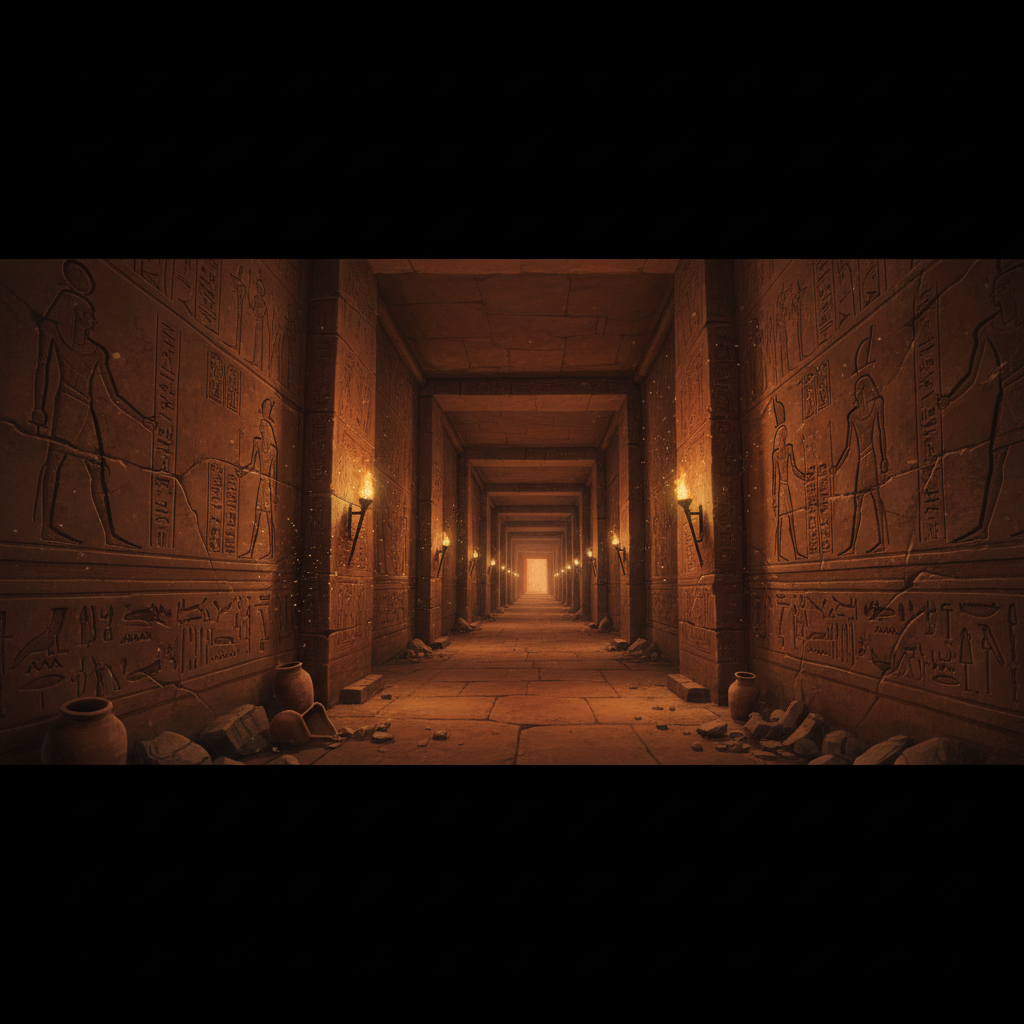
Quick comparison: which Egypt-and-tombs game fits your mood?
If you only have a minute, this table is the fastest way to avoid buying the “wrong kind” of Ancient Egypt game. The picks below are popular in the US market and easy to find on major platforms, though availability can vary by store and subscription catalogs.
| Game | Best for | Tomb feel | Puzzle level | Platforms (common) |
|---|---|---|---|---|
| Assassin’s Creed Origins | Open-world Egypt + exploring ruins | Frequent ruins, strong atmosphere | Light to medium | PS, Xbox, PC |
| Tomb Raider (2013) | Fast-paced action with ancient tomb segments | Set-piece tombs, cinematic | Light | PS, Xbox, PC |
| Tomb Raider: The Last Revelation | Classic Egypt-heavy adventure | Dense tomb focus | Medium to high | PC (and legacy ports) |
| Pharaoh: A New Era | City-builder management in Ancient Egypt | More “civilization” than tombs | Strategic planning | PC |
| Serious Sam 3: BFE | Arcade shooting with Egypt vibes | Ruins as arenas | Low | PS, Xbox, PC |
What players usually mean by “Ancient Egypt settings and tombs”
Search intent here is practical: you want top games with ancient egypt settings and tombs where Egypt is more than a skin. In practice, that breaks into a few “types,” and knowing your type saves money and time.
- Exploration-first Egypt: big map, ruins everywhere, tombs show up as side content or hidden spaces.
- Tomb-as-a-level: you do story missions, and occasionally get a tightly designed tomb segment.
- Puzzle-and-navigation tombs: older-school design, fewer hints, more “where do I go?” energy.
- Strategy Egypt: you build, manage, and roleplay as a ruler, with tombs as culture flavor more than gameplay.
According to the British Museum (in its public-facing collections and learning resources), tomb decoration and inscriptions had strong religious and cultural purpose, not just “cool art.” Games vary wildly in how much they respect that context, so it’s normal to feel a difference between “inspired by” and “trying to recreate.”
Top picks: games that deliver on tomb exploration
Assassin’s Creed Origins
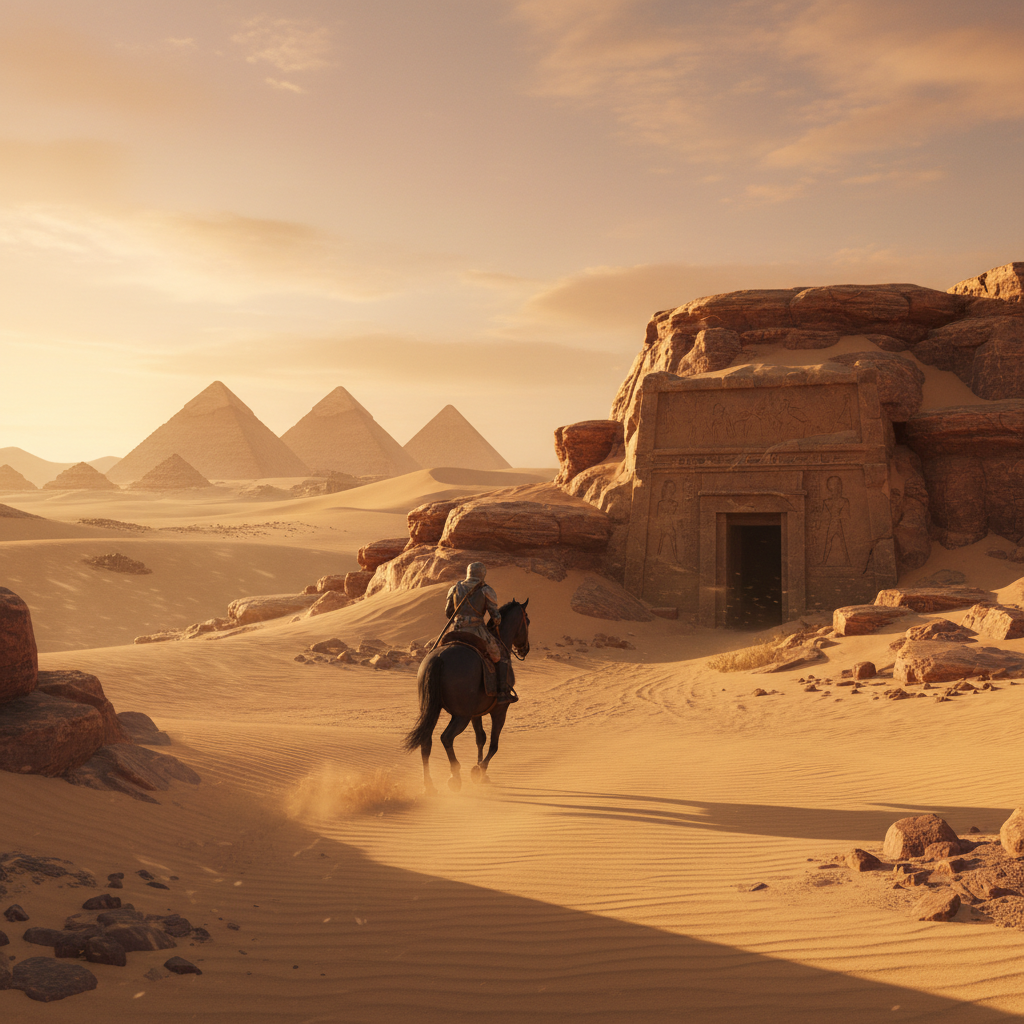
If your ideal is roaming from city to desert to necropolis, Assassin’s Creed Origins stays near the top. You get a playable Egypt that feels lived-in, and tombs often work as short exploration spaces with light puzzle elements and strong atmosphere.
- Why it works: the world design encourages you to detour into ruins without turning every tomb into a 45-minute brain teaser.
- Who might bounce off: players who want tombs to be the main loop, not a recurring side dish.
Tomb Raider (2013)
This reboot isn’t Egypt-centric, but it earns a mention because it nails the “tomb as a rewarding challenge room” feeling. If what you really want is tight pacing, modern controls, and digestible puzzles, it’s an easy recommendation.
- Why it works: optional tombs feel like mini-dungeons with clean visual language.
- Where it may miss: if you specifically want Ancient Egypt everywhere, this won’t scratch that itch on its own.
Tomb Raider: The Last Revelation
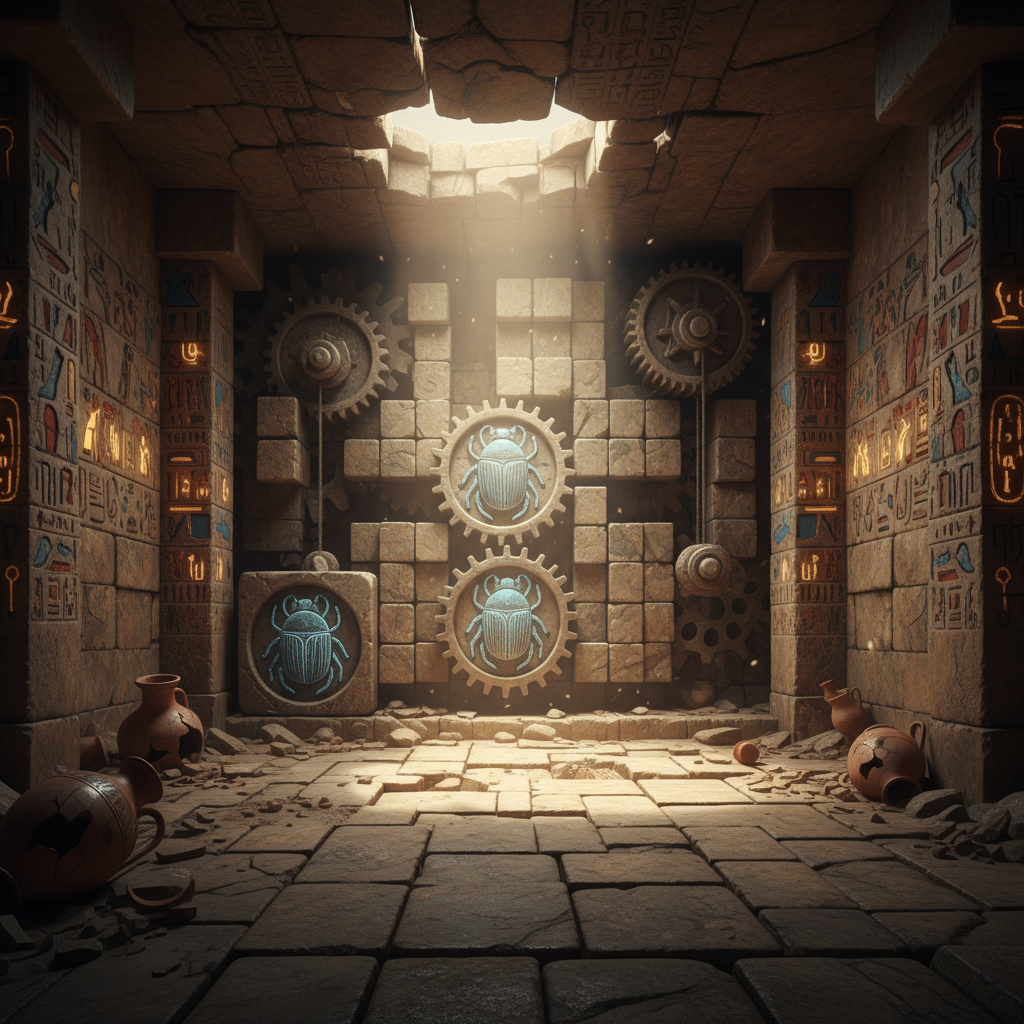
For players who want more direct Egypt focus, The Last Revelation is one of the more iconic “Egypt-forward” entries in the classic era. Expect older design choices: less hand-holding, more navigation friction, and puzzles that can feel brilliant or annoying depending on your patience.
- Why it works: the vibe leans hard into temples, tombs, traps, and quiet dread.
- Reality check: controls and camera can feel dated; many people use a guide for specific sections.
Pharaoh: A New Era
This is the “I want Ancient Egypt as a place to run” option. You’re planning cities, managing resources, and trying to keep society stable. Tombs are more thematic than hands-on exploration, but if you like management games, it’s a comfy way to live in the setting.
- Why it works: strong setting immersion through systems, not action.
- Who it fits: players who enjoy SimCity-style problem solving more than crawling through crypts.
Serious Sam 3: BFE
If you want “Ancient Egypt ruins” as an excuse for loud combat, this is the vibe. It’s not about archaeology or careful tomb design, but it’s a straightforward shooter that uses Egyptian spaces for scale and spectacle.
- Why it works: simple fun, minimal downtime.
- Don’t expect: nuanced tomb puzzles or historically grounded detail.
Self-check: how to pick the right tomb game in 60 seconds
Before you buy, answer these quickly. It sounds basic, but most “wrong purchase” regret comes from a mismatch here, not from the game being bad.
- Do you want Egypt to be the whole world? If yes, lean toward open-world Egypt titles; if no, tomb-segment games can still satisfy.
- Do you like getting stuck? If you hate being stuck, prioritize modern titles with clearer puzzle readability.
- Do you want combat or quiet exploration? Your tolerance for fighting changes the feel of tombs a lot.
- Do you want “authenticity” or “myth”? Many games blend history and fantasy; neither is wrong, but expectations matter.
If your answers point to exploration plus atmosphere, you’re likely looking for top games with ancient egypt settings and tombs that emphasize worldbuilding over one-off levels.
Practical tips to make tomb exploration more satisfying
These are small tweaks, but they change the experience. Especially if you’re trying to recreate that “slow walk into the unknown” feeling.
- Turn off some UI hints when the game allows it. Tombs feel more like spaces, less like checklists.
- Use headphones at night if you can. A lot of tomb tension comes from audio, not jump scares.
- Decide your guide rule: no guide unless you’re stuck 15 minutes, or guide-friendly from the start. Either approach is valid, just pick one.
- Take screenshots of inscriptions if you enjoy the “museum label” side of games, it helps you slow down.
Common mistakes when hunting for Egypt-and-tombs games
- Assuming “pyramids on the box” means tomb-heavy gameplay. Marketing art often signals vibe, not mechanics.
- Ignoring game age and control style. Classic tomb adventures can be incredible, but friction is part of the deal.
- Expecting history class accuracy. Many titles borrow names and symbols, then go full myth. If you need stricter authenticity, read reviews that focus on setting treatment.
- Buying only for length. A shorter game with great tomb design can land better than a 100-hour map full of repetitive caves.
According to UNESCO, cultural heritage is vulnerable to misrepresentation and loss, and public understanding matters. Games aren’t museums, but if you care about respectful depiction, it’s reasonable to prefer titles that at least treat the setting with some thought.
When it’s worth going deeper (mods, guides, or other help)
Most players don’t need anything extra, but a few situations make “outside help” a smart move rather than a spoiler sin.
- You’re playing a classic title and the camera or controls fight you: community control tweaks or modern ports can improve quality of life.
- You love lore: curated walkthroughs that explain tomb motifs can add context without ruining the challenge.
- You get motion sickness: adjusting FOV, motion blur, and camera sensitivity can help, and if symptoms persist, it may be worth asking a healthcare professional.
Conclusion: a simple way to choose your next Ancient Egypt tomb game
If you want the most consistent blend of roaming Egypt and dipping into ruins, start with Assassin’s Creed Origins. If you mainly want well-paced action with occasional “tomb reward rooms,” the modern Tomb Raider (2013) style works well. If you want heavier tomb focus and don’t mind older design, The Last Revelation can be a great rabbit hole.
Your best move now is simple: pick the experience you want this week, then choose the title that matches that loop. That’s how top games with ancient egypt settings and tombs stop being a vague list and start being a good night in.
FAQ
What are the best top games with ancient egypt settings and tombs for exploration?
Many players start with Assassin’s Creed Origins because Egypt is the core map and tombs appear naturally as you wander. If you want tighter, smaller spaces, classic Tomb Raider entries can feel more “tomb-forward,” just with older controls.
Are there any Ancient Egypt tomb games that are mostly puzzles and less combat?
Older adventure-style titles often lean more puzzle-heavy than modern open-world games. The tradeoff is navigation friction, so it helps to choose a “guide rule” ahead of time if you dislike getting stuck.
Which game feels most like raiding a real tomb?
No mainstream game is a perfect simulation, and many blend history with myth. Still, games with strong environmental storytelling, slower pacing, and less UI guidance tend to feel closer to “tomb mood” than pure action titles.
Is Tomb Raider (2013) set in Ancient Egypt?
Not primarily. It’s recommended here because its tomb segments deliver satisfying exploration and puzzle design, even if the broader setting is not Egypt-centric.
What if I want Ancient Egypt without tomb crawling?
City-builders like Pharaoh: A New Era focus on running an Egyptian society rather than exploring tomb interiors. If your enjoyment comes from planning and optimization, that can be a better fit than an action-adventure.
Do any of these games teach accurate Egyptian history?
They’re entertainment first, and accuracy varies by title and by mission. If historical fidelity is important to you, it’s worth cross-checking names and themes with museum or university resources rather than trusting any single game.
How do I avoid buying an “Egypt-themed” game that barely has tombs?
Look for reviews that explicitly mention tomb frequency and whether tombs are optional side activities or main missions. Screenshots and gameplay clips usually reveal whether “tombs” are real spaces or just brief cutscenes.
If you’re trying to build a personal shortlist of top games with ancient egypt settings and tombs by platform, playtime, and how puzzle-heavy you want the ruins to be, it can help to write down your “must-have” in one line and filter your options from there before the next sale hits.