best vr therapy games 2026 is a search people usually make when they want VR that feels helpful, not just distracting, whether that means easing anxiety, supporting rehab routines, or building healthier habits at home.
The tricky part is that “therapy game” can mean wildly different things, from breath-paced relaxation apps to clinician-led programs designed for exposure therapy, so buying the wrong title often leads to motion sickness, frustration, or a few uses before it collects dust.
This guide focuses on practical fit, safety, and setup, you’ll get a clear shortlist by goal, a quick comparison table, and a simple way to test whether a VR experience actually supports what you’re trying to work on.
What “VR therapy games” usually cover (and what they don’t)
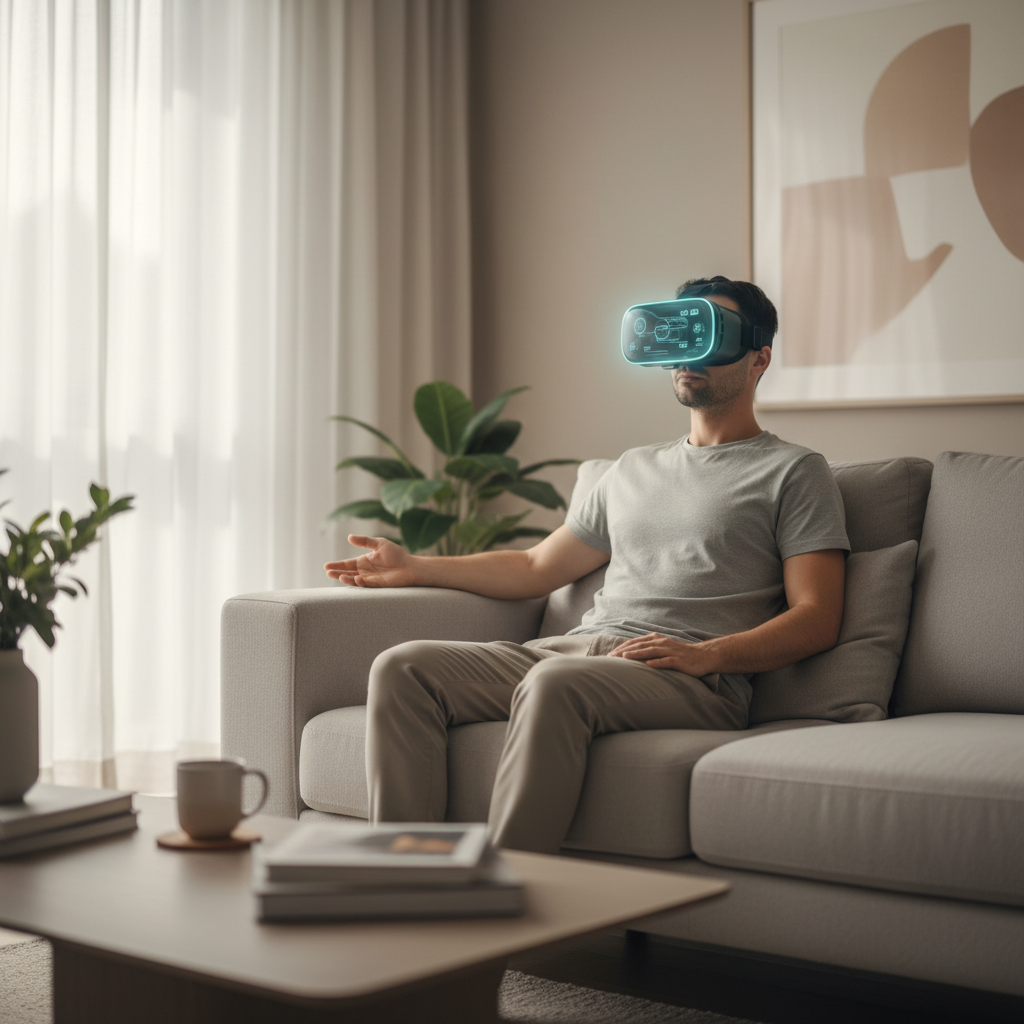
In real-world use, VR “therapy” tends to fall into a few buckets, and matching the bucket to your goal matters more than chasing the most popular title.
- Relaxation and stress downshift: guided breathing, meditation, soothing environments, biofeedback-style pacing.
- Movement and physical rehab support: gentle range-of-motion, balance, low-impact cardio, hand tracking exercises.
- Pain distraction and coping skills: immersive attention-shifting, paced breathing, calming narratives.
- Exposure-style practice: carefully graded scenarios for fears, social practice, or PTSD-related triggers, often safer with clinician oversight.
- Cognitive training: attention, memory, daily routine scaffolding, sometimes used in older adult contexts.
What they typically don’t do on their own is replace diagnosis, treatment planning, or crisis care. According to American Psychological Association, digital tools can support care, but outcomes depend on appropriate use, evidence base, and clinical context, which is why you’ll see “support” and “adjunct” language around responsible recommendations.
Quick comparison: best VR therapy games 2026 by goal
Use this table as a starting point, then read the next sections to sanity-check fit and safety for your situation.
| Goal | Good fit if you want… | What to watch for | Example titles |
|---|---|---|---|
| Daily stress relief | Guided breath, calm scenes, short sessions | Overstimulation, long sessions, bright effects | TRIPP, Nature Treks VR |
| Gentle movement | Low-impact guided workouts, light rhythm | Form, intensity spikes, knee/shoulder strain | Supernatural (low-intensity), FitXR (beginner modes) |
| Pain distraction | Immersive focus shifts plus breathing cues | Motion sickness, sensory overload | TRIPP, Guided Meditation VR |
| Phobias / anxiety exposures | Gradual, controllable scenarios | Trigger intensity, rebound anxiety without plan | Requires clinician-grade apps or structured programs |
| Balance / coordination | Stable camera, predictable movement prompts | Falls risk, room setup, cable/guardian boundaries | Beat Saber (easy modes), guided rehab content |
Best picks (consumer-friendly) and where each one actually shines
This is not a “one list fits everyone” category, so the best picks below are framed by use case, not hype.
TRIPP (guided mindfulness, mood, breath pacing)
If you want something that feels like a structured “reset,” TRIPP usually fits, sessions are short, visuals are designed to slow you down, and the experience is closer to guided practice than a game loop.
- Good for: stress, sleep wind-down, anxious spirals when you need a prompt.
- Less ideal for: people sensitive to bright visuals, or anyone expecting “game progression.”
Guided Meditation VR (simple environments, low friction)
When you want calm scenes with minimal stimulation, this kind of content tends to work because it stays predictable, and that predictability is often the whole point.
- Good for: beginners, older adults, people who dislike intense visuals.
- Watch for: long sessions that leave you groggy or give you headset fatigue.
Nature Treks VR (soothing nature immersion)
For some people, “therapy” is simply getting out of their head for ten minutes, nature immersion can do that without forcing a lot of instruction.
- Good for: decompression, gentle sensory grounding.
- Watch for: if you need coaching, pure scenery may feel empty after the novelty fades.
Supernatural and FitXR (movement as mood support)
These are fitness-first platforms, but many users come for mood regulation, a consistent routine plus music can be a surprisingly reliable mental health “anchor,” as long as you keep intensity realistic.
- Good for: light-to-moderate cardio, motivation, routine building.
- Watch for: going too hard too soon, or shoulder/wrist irritation with repetitive swings.
Beat Saber (simple rhythm, flow state)
Beat Saber isn’t marketed as therapy, but for focus, flow, and gentle coordination practice, easy modes can be useful, especially if you set a time cap.
- Good for: “brain off” rhythmic movement, coordination, mood lift.
- Watch for: intensity creep, competitive mindset, and overuse.
A quick self-check: which type should you choose?
Before you spend money or commit to a routine, answer these honestly, it saves a lot of trial-and-error.
- Is your primary goal calming down or building capacity? Calming down points to guided breath or nature immersion, building capacity leans toward movement and gradual exposure with structure.
- Do you get motion sick in cars or first-person games? If yes, prioritize stationary experiences and avoid artificial locomotion.
- Do you want instruction or freedom? Some people relax with guidance, others feel trapped by it.
- Will you use it for 5–10 minutes or 30+? Short sessions favor mindfulness apps, longer sessions favor fitness platforms.
- Any triggers you already know? Heights, confined spaces, crowds, loud audio, flashing lights, these can matter more in VR.
If your answer includes panic symptoms, dissociation, trauma triggers, or recent self-harm thoughts, treat VR as a support tool and consider professional guidance before experimenting with exposure-style content.
How to use VR for therapeutic benefit (without overdoing it)
Most people don’t fail because they picked the “wrong” app, they fail because they treat VR like a bingeable fix. Small, repeatable sessions usually win.
A simple 10-minute protocol you can repeat
- Minute 1: set a goal that’s behavior-based, not emotion-based, like “slow my breathing” rather than “stop anxiety.”
- Minutes 2–8: run one guided session or one easy song, keep intensity at “could talk in short sentences.”
- Minutes 9–10: remove headset, sit still, check in, drink water, note if you feel steadier or just numb.
Key takeaways that tend to matter
- Consistency beats duration, 8 minutes daily often feels more sustainable than one long weekend session.
- Track one metric: sleep latency, resting tension, daily steps, pain rating, or mood before/after.
- Keep it boring on purpose: the more “wow,” the more likely you chase novelty instead of regulation.
Safety, side effects, and common mistakes
VR is generally safe for many adults, but “generally safe” isn’t the same as “works for everyone.” According to U.S. Food and Drug Administration (FDA), some VR-related products and digital therapeutics may have specific indications and risks, and consumers should follow labeling and safety guidance, especially for health-related use.
- Motion sickness: choose stationary content, reduce smooth turning, shorten sessions, and stop when nausea starts rather than pushing through.
- Eye strain and headaches: lower brightness, ensure lens spacing is correct, take breaks, and avoid marathon sessions.
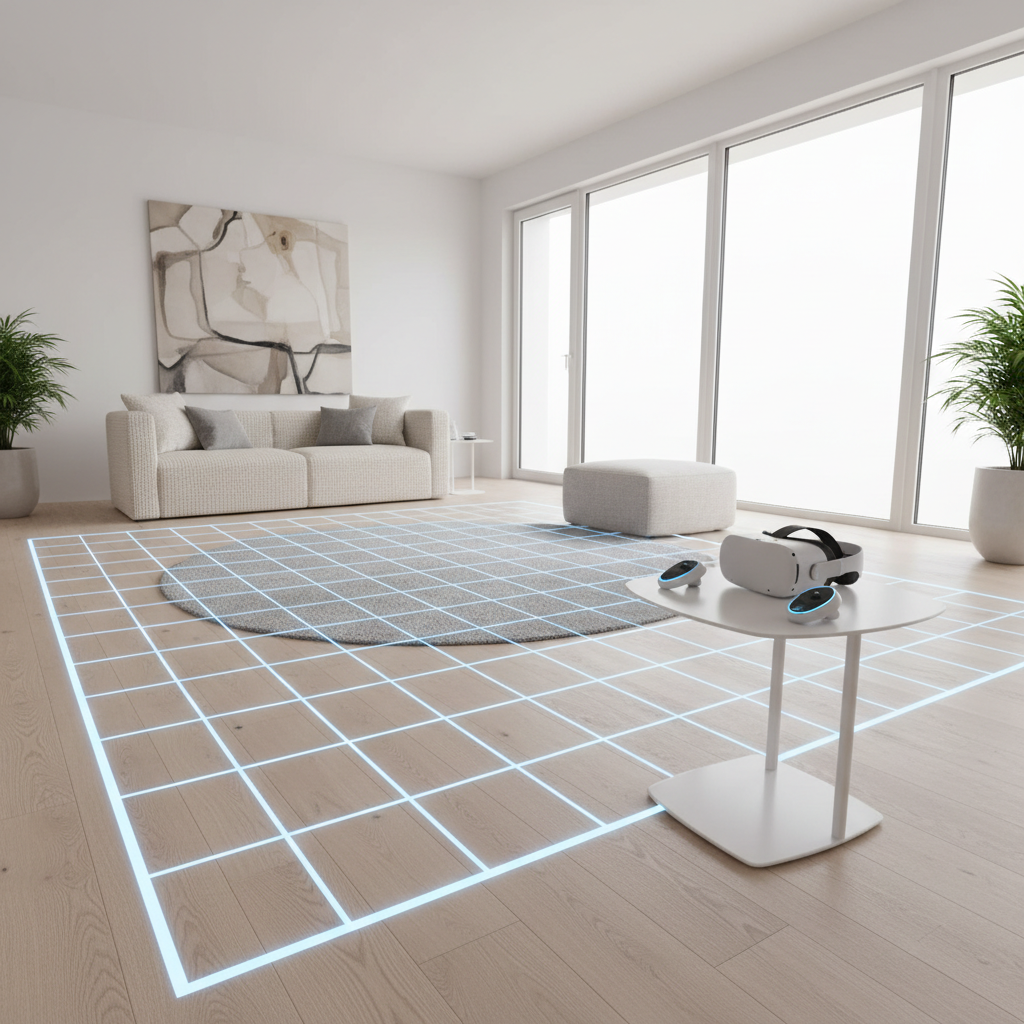
- Falls risk: clear the play area, use boundary/guardian settings, and avoid balance challenges if you feel unsteady.
- Chasing “exposure” too fast: intensity jumps can backfire, you want gradual steps with a plan for recovery after.
- Using VR to avoid life: if it becomes your only coping tool, it can shrink your real-world confidence over time.
If you take medications that affect balance, have seizure history, or have significant vestibular issues, it’s reasonable to ask a clinician before building VR into your routine.
When you should involve a professional (and what to ask for)
Some goals are safer and more effective with support, particularly trauma-related symptoms, severe panic, OCD, or phobias that strongly impair daily life.
- Consider clinician involvement if you want exposure therapy, you feel worse after sessions, or you struggle to “come down” after VR.
- Ask practical questions: “How do we grade exposure intensity,” “What’s our stop rule,” “How do we measure progress,” and “What should I do after a tough session.”
According to National Institute of Mental Health (NIMH), evidence-based treatments like CBT and exposure-based approaches are commonly used for anxiety-related conditions, VR may be a delivery format for elements of these therapies, but it still benefits from a structured plan.
Conclusion: choosing the best VR therapy games 2026 comes down to fit
The most useful picks in best vr therapy games 2026 searches usually aren’t the flashiest, they’re the ones you’ll actually repeat, safely, at the right intensity. Start with your goal, pick a low-friction experience, and commit to short sessions for two weeks before you judge results.
If you want one concrete next step, choose one calming app and one movement option, then alternate them across the week and track a single outcome like sleep quality or baseline tension.