
Best walking simulators with story usually work when the writing, environmental clues, and pacing line up—because if the mystery feels thin, you notice every step. If you’ve bounced off a few “pretty but empty” games, you’re not alone.
The good news is that the genre has matured. Some titles lean into character drama, some go full mystery box, and others feel like interactive short stories. What matters is matching the vibe to your mood: cozy, eerie, emotional, or brainy.
Below, you’ll find a practical shortlist, a quick comparison table, and a few ways to pick your next play based on how you like stories told. No hype, just what tends to hold attention for players who care about narrative.
What “deep story” means in a walking simulator
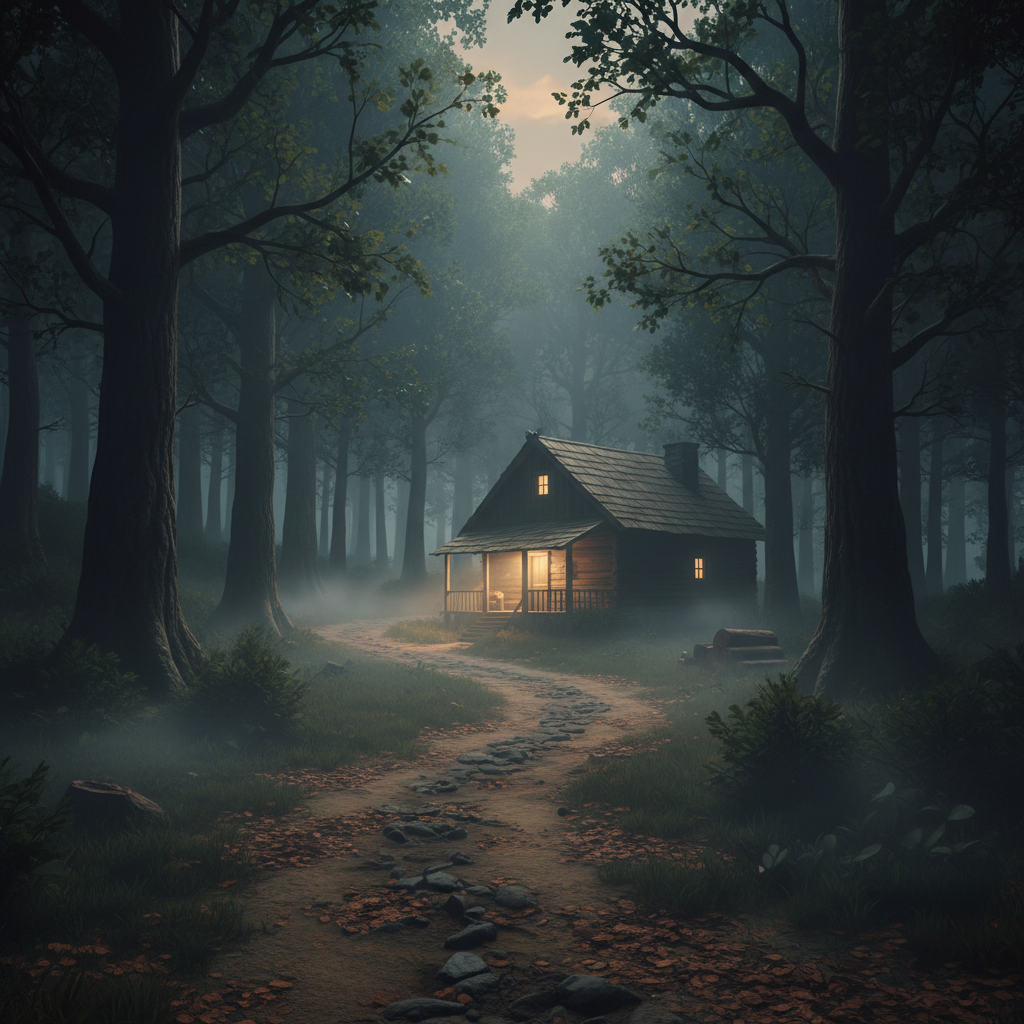
In practice, a deep story rarely means “more plot twists.” It’s more about why the story sticks: the characters feel specific, the themes land, and the world quietly answers your questions even when nobody explains anything out loud.
Most story-forward walking sims rely on a few tools:
- Environmental storytelling: notes, objects, layout, and tiny details that imply history.
- Reliable pacing: the game gives you a reason to keep moving, not just pretty hallways.
- Voice and tone: narration or dialogue that feels intentional, not filler.
- Player interpretation: some ambiguity, but not so much that it becomes vague.
According to the British Academy of Film and Television Arts (BAFTA), games are recognized for narrative and storytelling craft through its game awards, which is a helpful reminder that “story” is not secondary in this medium—it’s judged like any other art form.
Quick comparison: best picks at a glance
If you want a faster decision, this table focuses on the stuff that actually changes the experience: tone, storytelling style, and how intense the content feels.
| Game | Story tone | How story is delivered | Intensity | Best for |
|---|---|---|---|---|
| What Remains of Edith Finch | Bittersweet, surreal | Vignettes, playful mechanics | Medium | Emotion-first storytelling |
| Firewatch | Intimate, tense | Dialogue choices, mystery | Medium | Character chemistry |
| Gone Home | Personal, grounded | Exploration, notes, objects | Low | Classic environmental narrative |
| Return of the Obra Dinn | Cold-case detective | Deduction, snapshots in time | Low-Med | Story through investigation |
| The Vanishing of Ethan Carter | Haunting, eerie | Exploration + light puzzles | Medium | Atmosphere-driven mystery |
| Everybody’s Gone to the Rapture | Melancholy, reflective | Audio fragments, wandering | Low | Slow-burn mood piece |
Curated list: best walking simulators with story
These are the titles that most often convert skeptics, because the writing or structure does real work. Not all are “pure” walking sims, but they sit close enough to the genre that story-focused players typically group them together.
What Remains of Edith Finch
If you want “deep story” in the emotional sense, this is a safe bet. It’s built as a string of family tales, each with its own tone and mechanic, so you rarely get stuck in one pace for too long.
- Why it lands: short, sharply directed scenes that keep surprising you.
- Heads-up: themes include loss and grief; some players prefer to be in the right mood.
Firewatch
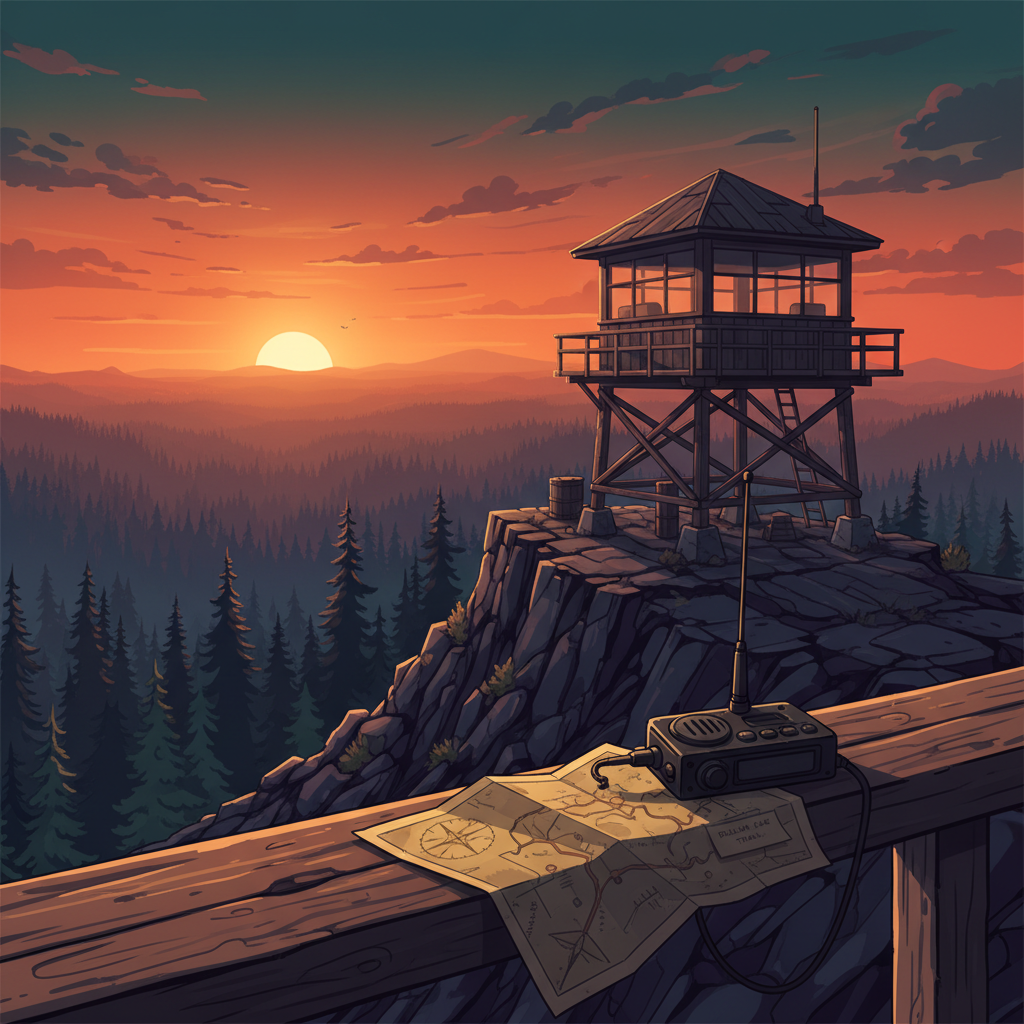
It’s basically a two-person character study disguised as a mystery. The story lives in the radio conversations—what you say, what you avoid saying, and what that reveals.
- Why it lands: dialogue feels human, and the setting supports the isolation.
- Heads-up: if you demand big plot payoffs, you may find it more “about people” than “about answers.”
Gone Home
A classic for a reason: you explore a house and reconstruct a family’s story from what’s left behind. The “plot” is basically your attention to detail.
- Why it lands: strong sense of place; the house feels lived-in, not like a game level.
- Heads-up: minimal action; if you want puzzles, they’re light.
Return of the Obra Dinn
Not cozy, not chatty—just pure deduction. You piece together a tragedy using frozen moments and logic, and the narrative emerges because you worked for it.
- Why it lands: the story feels earned, and the structure respects your intelligence.
- Heads-up: you’ll read names, track details, and make inferences; it’s story through effort.
The Vanishing of Ethan Carter
This one leans into atmosphere and unease, with light investigation elements. When it clicks, it feels like walking through a mystery novel’s margins.
- Why it lands: visual storytelling plus a slow reveal that rewards exploration.
- Heads-up: darker tone; content may feel disturbing for some players.
Everybody’s Gone to the Rapture
It’s contemplative, sometimes stubbornly slow, and very committed to mood. If you like fragmented narrative delivered through audio and scenes, it can be absorbing.
- Why it lands: a town-wide mystery told through voices and spaces.
- Heads-up: pacing is the whole point, but it’s not for every night.
Self-check: which kind of story-driven walking sim fits you?
A lot of “this game is boring” reactions are really “this story style doesn’t match me today.” This quick list helps you pick without overthinking.
- You want emotional impact → try Edith Finch or Gone Home.
- You want dialogue and chemistry → Firewatch.
- You want to solve something → Return of the Obra Dinn or Ethan Carter.
- You want pure atmosphere → Everybody’s Gone to the Rapture.
- You dislike ambiguity → lean toward Obra Dinn; it closes loops more clearly.
How to get more out of narrative walking simulators (without “forcing” it)
Best walking simulators with story can feel flat if you play them like an action game. A few small habits usually make the narrative clearer and the pacing less annoying.
Play in shorter sessions
Many walking sims are built like novellas. If you’re tired, the quiet moments stretch; if you’re fresh, the same scenes feel deliberate.
Commit to one “signal” to follow
Pick a focus: letters, voice lines, environmental symbols, or character relationships. When you track one thread, the story stops feeling like random collectibles.
Use headphones if audio matters
Some games hide key context in subtle voice work or ambient cues. It’s not mandatory, but it often improves comprehension.
Common misreads that make “deep story” games feel disappointing
A few expectations tend to sabotage enjoyment, even when the writing is solid.
- Expecting constant plot escalation: many titles prioritize theme and character over twists.
- Assuming every detail must be solved: ambiguity is often intentional, but it should still feel coherent.
- Speed-running the space: these games “speak” through rooms, props, and framing; rushing mutes the story.
- Forcing 100% collection: sometimes completionism breaks the emotional pacing more than it helps.
According to the Entertainment Software Rating Board (ESRB), content descriptors and ratings are designed to help players understand themes and intensity before buying. If certain topics bother you, checking the rating details can save you a bad night.
Key takeaways (so you can choose fast)
- Deep story usually means strong theme + character, not just “more lore.”
- If you want narrative variety, Edith Finch stays fresh through vignette structure.
- If you want relationship-driven storytelling, Firewatch is the cleanest entry point.
- If you want story through logic, Return of the Obra Dinn delivers the most satisfying deductions.
- When pacing bothers you, shorter sessions and better audio often fix more than you’d expect.
Conclusion: what to play next
If you’re hunting for best walking simulators with story, start by picking the experience you want tonight: emotional, conversational, investigative, or purely atmospheric. From there, the shortlist becomes simple—Edith Finch for emotional punch, Firewatch for dialogue, Obra Dinn for deduction, Gone Home for intimate environmental storytelling.
If you want a practical next step, choose one game from the table, set a 60–90 minute first session, and decide afterward whether the story voice matches you. These games rarely “open up” at hour ten, they either hook you early or they don’t.
FAQ
What are the best walking simulators with story if I only have one evening?
What Remains of Edith Finch is a common pick for a single sitting because it’s tightly paced and broken into distinct story moments. Gone Home can also fit in an evening if you explore with intention.
Are walking simulators “real games” or basically interactive movies?
They’re real games, just with different priorities. Interaction often comes from exploration, observation, and small choices rather than combat or complex skill execution.
Which story walking simulator has the most satisfying ending?
It depends on what “satisfying” means to you. If you want a clean, logic-based wrap-up, Return of the Obra Dinn tends to feel more conclusive than moodier, more interpretive titles.
I get bored walking around—what should I try first?
Try something with stronger forward momentum like Firewatch, where dialogue keeps feeding you new context. Also consider playing in shorter sessions so quiet stretches don’t drag.
Do any of these have puzzles, or is it just reading notes?
The Vanishing of Ethan Carter includes light investigation-style puzzles, and Return of the Obra Dinn is essentially one big deduction puzzle. Others lean more on exploration and discovery.
What if I want deep story but minimal horror?
Gone Home and Edith Finch are generally more grounded emotionally than horror-forward, though they can still be heavy. If you’re sensitive to darker themes, checking the ESRB details is a reasonable precaution.
Do I need to take notes while playing story-heavy walking sims?
Usually no. The exception is Return of the Obra Dinn, where tracking details can help your deductions. For most others, slowing down and paying attention to audio and spaces is enough.
If you’re still torn between two options, pick based on your “story appetite” rather than review scores: conversational drama, puzzle-like investigation, or pure mood. That simple filter saves time and makes it far more likely you’ll actually finish the game you start.