
Tycoon games with realistic economics are the ones where prices, labor, supply chains, debt, and competition actually push back, so you can’t win by spamming upgrades or waiting for passive income. If you’ve ever felt a “tycoon” game turns into a cozy clicker after two hours, you’re not imagining it.
Realistic economics matters because it changes what “skill” means. The fun moves from decorating a perfect factory to managing cash flow, demand swings, bottlenecks, and ugly trade-offs like delaying expansion to avoid insolvency.
This guide helps you spot which games truly model an economy (and which just wear the costume), plus a quick evaluation checklist, a comparison table, and a few practical ways to play these systems without bouncing off the difficulty.
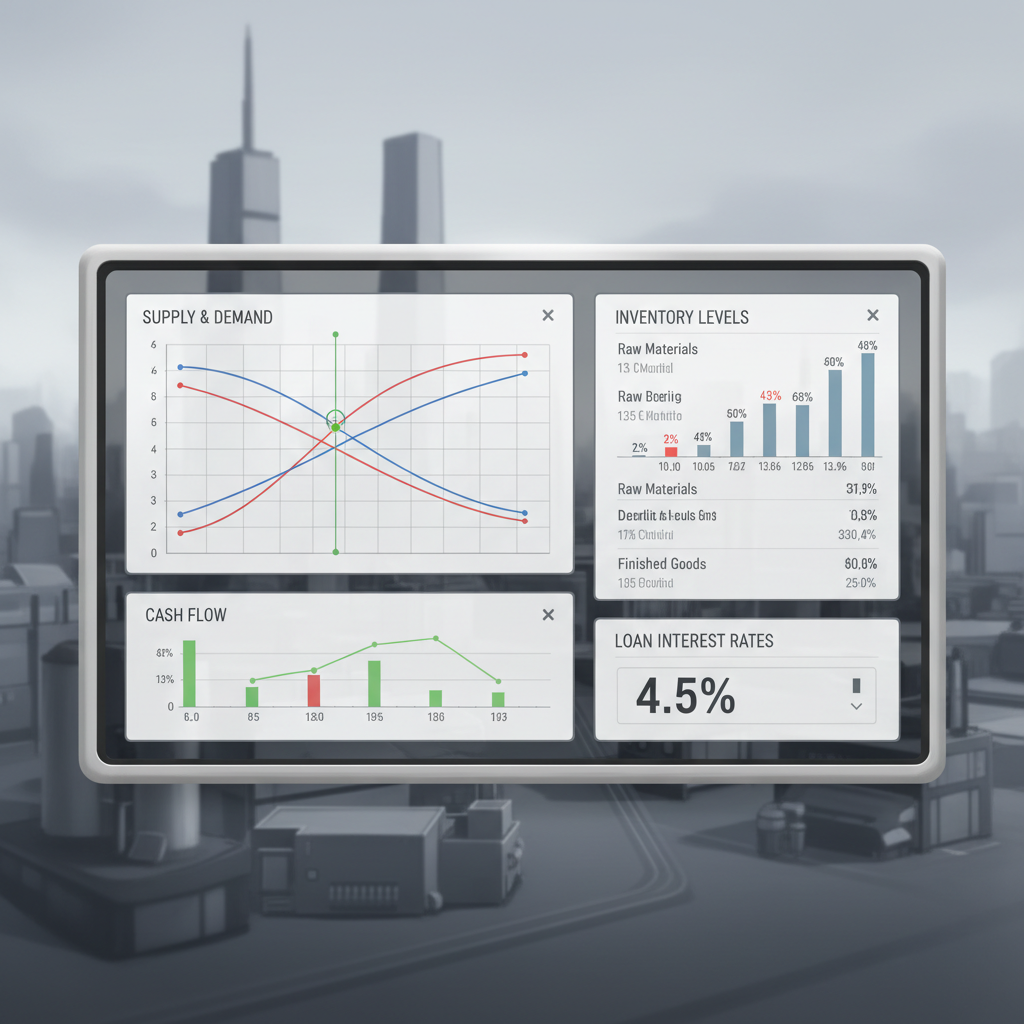
What “realistic economics” usually means in tycoon games
In this niche, “realistic” rarely means “perfectly accurate to a real national economy.” It usually means the game includes enough interconnected systems that your choices cause second-order effects, and the sim doesn’t quietly protect you from failure.
Look for these signals:
- Prices respond to supply and demand, not just a fixed menu of “sell for $X.”
- Cash flow is a constraint, where timing matters as much as totals. Profitable on paper can still go bankrupt.
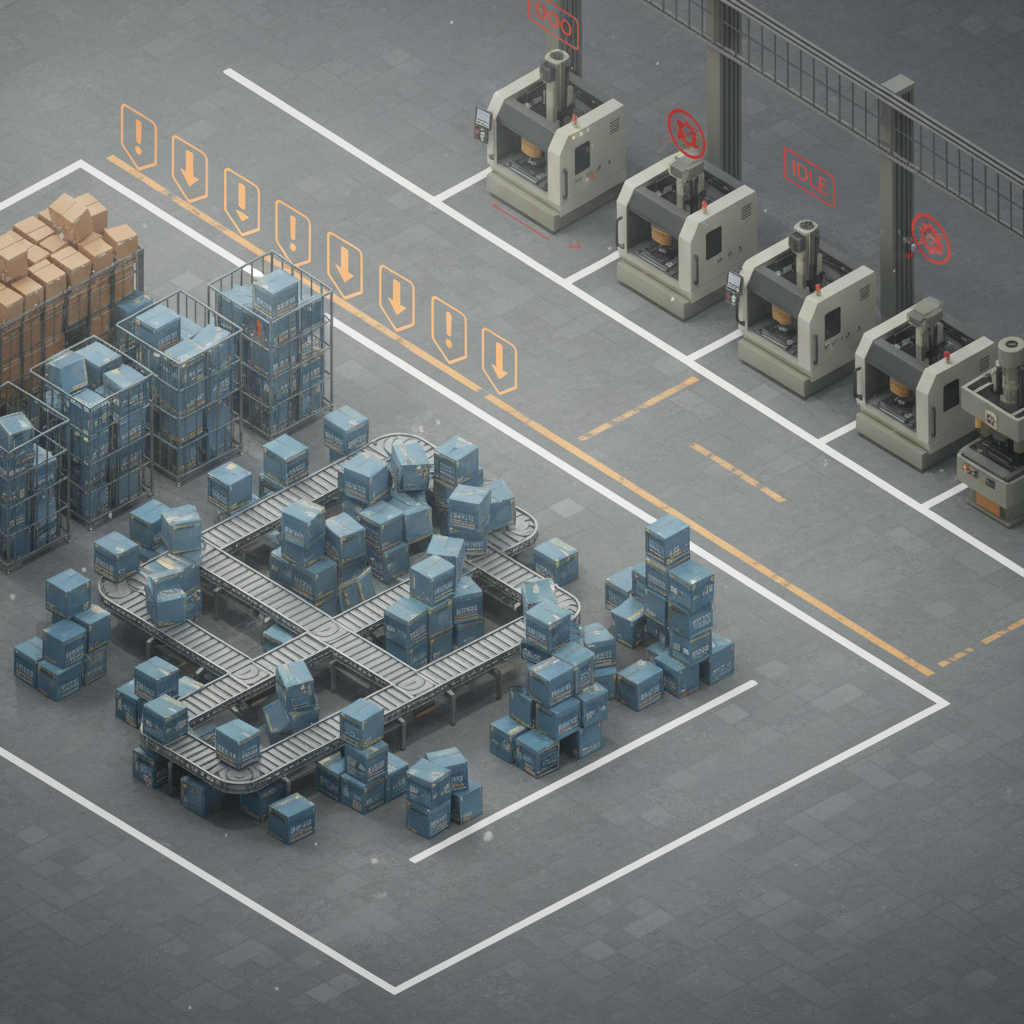
- Operational friction like logistics, staffing, maintenance, or throughput limits that create real bottlenecks.
- Competition or market saturation that forces differentiation, expansion strategy, or efficiency improvements.
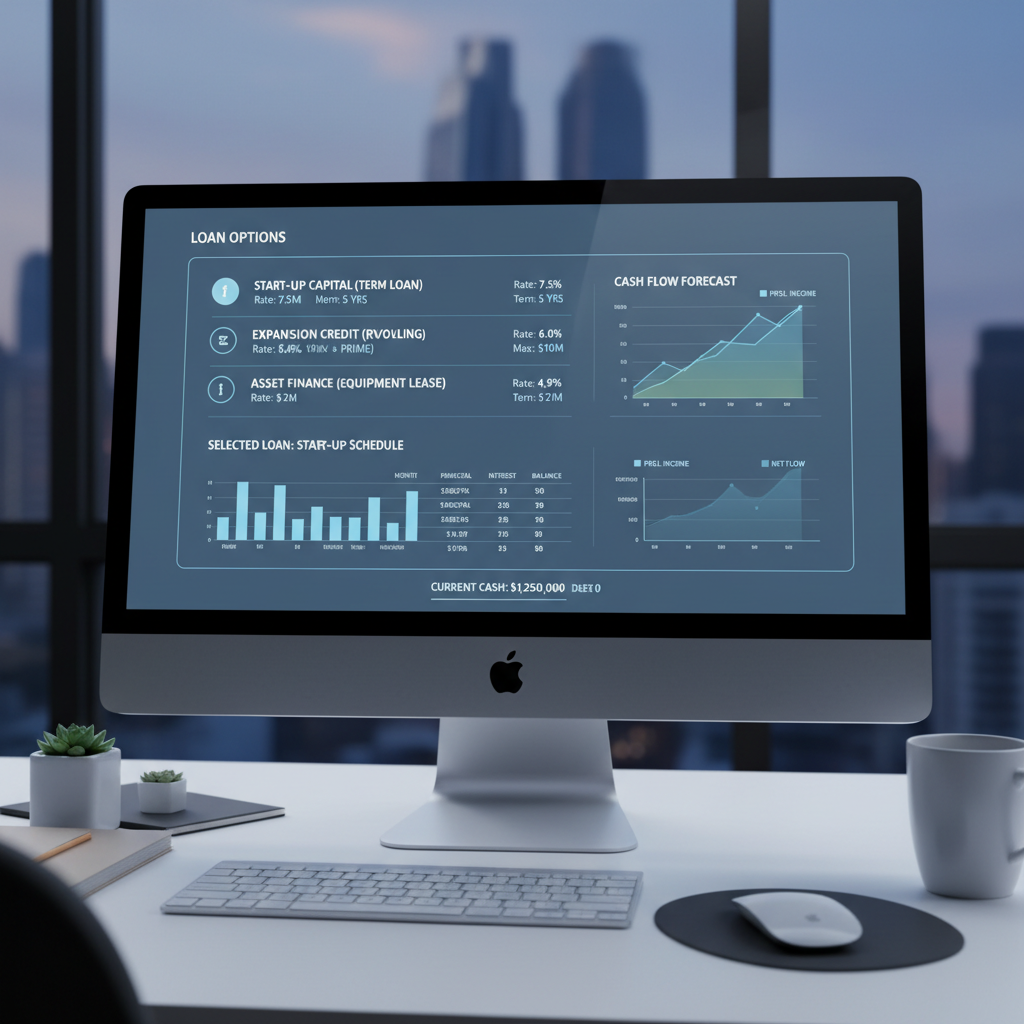
- Meaningful financing such as loans, interest, credit limits, or dilution that can rescue or ruin a run.
According to the International Monetary Fund (IMF)... economic shocks and feedback loops are central to how real economies behave, and the best “economic” sims try to capture that idea even if the specifics are simplified.
Why many “tycoon” games feel fake after the early game
Most players hit the same wall: the early game is tense, then the economy turns into a straight line upward. That usually comes from design choices that keep the experience accessible, but also remove the bite.
- Hidden rubber-banding: the game quietly boosts demand or lowers costs when you struggle.
- One dominant strategy: a single product, layout, or upgrade path outperforms everything, so the “economy” stops being a puzzle.
- No real downside to overexpansion: building too fast should create debt stress, staffing gaps, logistics overload, or price collapse, but many games smooth it over.
- Costs that don’t scale: wages, maintenance, and procurement stay too flat, so growth becomes automatic.
If you want tycoon games with realistic economics, you’re basically looking for titles that let you fail for sensible reasons, then teach you (sometimes harshly) how to stabilize.
Quick self-check: is this the kind of economic sim you actually want?
Realistic systems are fun, but not always relaxing. Before you buy, it helps to know what kind of “realism” you’re craving, because different games stress different muscles.
- You want pricing and markets if you enjoy adjusting output, watching demand shift, and managing margin.
- You want operations and throughput if you love fixing bottlenecks, routing logistics, and optimizing layouts.
- You want finance pressure if you like juggling loans, interest, and expansion timing.
- You want macro volatility if you enjoy shocks, cycles, and long-term planning under uncertainty.
A simple tell: if you get annoyed when a game “lets you win anyway,” you’ll probably enjoy harsher economics. If you mostly want creativity and building, a lighter tycoon might still be the better fit.
Examples worth considering (and what each does well)
Below are commonly recommended titles in conversations about tycoon games with realistic economics. This isn’t a ranking, because what feels “real” depends on which layer you care about most.
Comparison table: what kind of realism each game emphasizes
| Game | Economic strengths | What trips players up | Best for |
|---|---|---|---|
| Workers & Resources: Soviet Republic | Production chains, labor, logistics, construction costs | Slow ramp, unforgiving bottlenecks | Operations-heavy “planned economy” management |
| Capitalism Lab | Pricing, competition, product mix, corporate strategy | Information overload, steep learning curve | Market simulation and business strategy |
| Railway Empire (series) | Network effects, regional supply/demand, route profitability | Overbuilding routes, weak hubs | Transport economics and optimization |
| Offworld Trading Company | Dynamic pricing, scarcity, aggressive market play | Fast pace, ruthless opponents | Short sessions with strong economic pressure |
| Transport Fever 2 | Supply chains across cities, capacity and frequency planning | Cash tied up in underused lines | Logistics networks with steady progression |
One caution: “realistic economics” in a single-player tycoon often means the AI competitors are simplified, so the realism comes more from constraints and systems than from truly adversarial markets. That’s not bad, just something to expect.
How to evaluate a game’s economy in 15 minutes (before you commit)
If you’re shopping on Steam or watching a YouTube review, you can usually tell quickly whether the economics are cosmetic or structural.
- Scan the UI for leading indicators: does it show inventory, unit costs, utilization, debt service, regional prices, or just “money goes up”?
- Look for failure states: bankruptcy, layoffs, downtime, supply collapse, reputation loss, contract penalties.
- Check whether inputs matter: if raw material constraints never bite, pricing doesn’t really mean much.
- Watch mid-game footage: early game is always tense; mid-game reveals whether the sim stays interesting.
- Read one negative review on difficulty: complaints like “I went broke and didn’t know why” often indicate a real economy, though it may also signal weak tutorials.
According to the Federal Reserve... financial conditions like credit availability and interest rates influence real-world business decisions, and games that model financing pressure tend to feel more grounded even when everything else is simplified.
Practical ways to play (and actually enjoy) tougher economic systems
These games reward patience, but they also punish vague planning. If you keep restarting, it’s usually not because you’re “bad,” it’s because you’re expanding without a safety buffer.
1) Treat cash as time, not as score
In many realistic sims, your real resource is runway. Keep enough liquidity to survive a demand dip, a broken link in a supply chain, or a construction delay.
- Set an internal rule like “never drop below X months of expenses.”
- Prefer upgrades that reduce unit cost or increase reliability before chasing pure scale.
2) Build one stable loop before adding variety
A stable loop means inputs arrive, production runs near target utilization, and outputs sell consistently at acceptable margin. Once that works, expansion becomes a choice, not a gamble.
- Measure throughput: where does inventory pile up, where do machines idle?
- Fix the slowest link, then re-check the rest.
3) When prices move, don’t panic-adjust everything
Dynamic pricing tempts constant tweaking. Many situations improve if you change one variable, then wait long enough for the system to respond.
- If margins drop, check input costs and logistics before cutting output price.
- If demand spikes, confirm you can scale without breaking delivery capacity.
Key takeaways (save this)
- Realism shows up in feedback loops, not in fancy graphs.
- Mid-game stability is the real test of an economy-driven tycoon.
- Cash flow discipline beats growth spurts in most “hard” sims.
Common traps that make the economy feel “unfair”
A realistic sim can still feel unfair if you expect it to behave like a classic builder. A few mistakes show up constantly.
- Overleveraging early: loans can be fine, but debt plus volatile demand creates a fragile run.
- Ignoring utilization: buying more machines rarely helps if the real issue is staffing, transport, or inputs.
- Chasing revenue instead of margin: high sales with thin profit can quietly sink you when costs rise.
- Skipping the “boring” screens: unit economics, inventory, and maintenance are where the truth sits.
If a game offers difficulty toggles, it’s often worth lowering complexity on one axis at a time, like keeping realistic logistics but simplifying finance, until your mental model clicks.
Wrap-up: choosing the right game, then making the economy sing
Tycoon games with realistic economics feel satisfying because they make your decisions matter twice, once immediately and again through ripple effects. Pick a title that matches the layer you enjoy, then play like a cautious operator for the first few hours: protect cash flow, stabilize a loop, and scale only when the system stays calm.
If you want one action step, open a store page and look specifically for signs of dynamic pricing, real constraints, and failure states. That quick filter saves you from buying another “tycoon” that turns into idle money printing by mid-game.
FAQ
- What are the best tycoon games with realistic economics for beginners?
Games that expose unit costs and demand clearly, with manageable logistics, tend to be friendlier. Look for strong tutorials and adjustable difficulty so you can keep the economy “real” without drowning in micromanagement. - How can I tell if a tycoon game has real supply and demand?
Check whether prices change based on market conditions and whether shortages create knock-on effects like delayed production or unmet contracts. If the game sells everything at a fixed price forever, demand is probably decorative. - Why do I go bankrupt even when my company is profitable?
That’s usually cash flow timing: bills come due before revenue lands, or inventory ties up cash. Games with realistic economics punish “paper profit” when liquidity runs out. - Do multiplayer economic games feel more realistic than single-player tycoons?
Often yes, because humans exploit markets creatively. But single-player can still feel grounded if the sim has tight constraints, transparent unit economics, and meaningful risk around expansion. - Are there realistic economics games that aren’t heavy on factories?
Yes. Some focus on trading, corporate strategy, or transport networks. The key is whether the economy has feedback loops and real trade-offs, not whether you’re placing machines. - What settings should I change if the economy feels too punishing?
Many players get better results by simplifying one layer, like reducing disasters, lowering AI aggression, or easing loan terms, while keeping pricing and costs intact. It keeps the “why” of economics without constant restarts. - Is “realistic economics” the same as “hard mode”?
Not always. Realistic systems can be forgiving if they’re readable and give you tools to respond. Difficulty spikes usually come from poor information, not from economic depth itself.
If you’re trying to narrow down tycoon games with realistic economics quickly, and you’d rather not sift through dozens of store pages, make a short list based on the economic layer you enjoy most, then watch 10 minutes of mid-game footage to confirm the systems stay alive after the early rush.